How to Plan an Irish Vacation Without Rushing
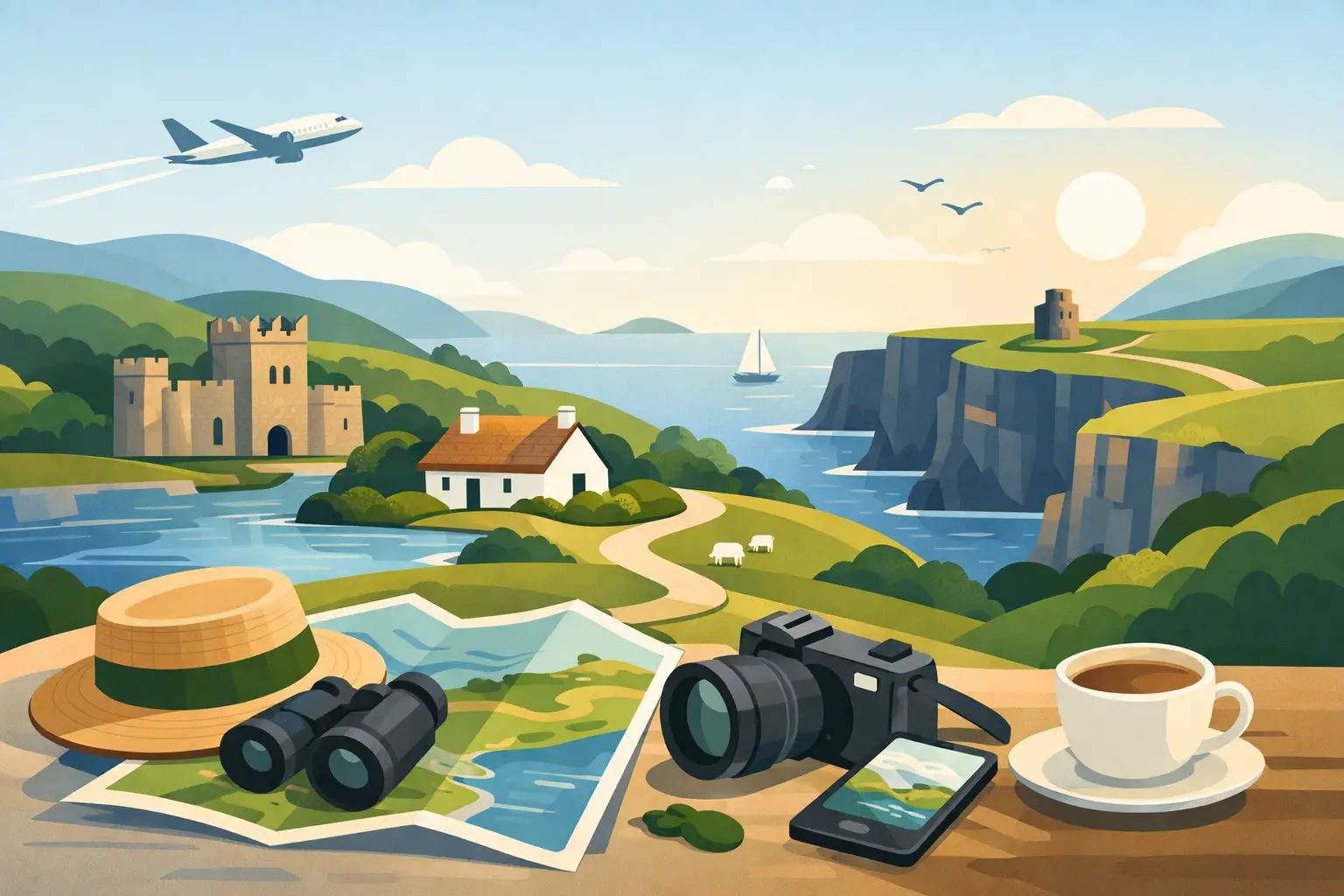
Ireland is compact on a map, but it should never be treated as a quick checklist. A morning in a Georgian Dublin square, an unhurried lunch in a village pub, a quiet coastal road in Connemara, and an evening beside a turf fire all deserve room in the day. The secret to how to plan an Irish vacation is not seeing the most places. It is choosing the right places, then allowing enough time to truly enjoy them.
For many American visitors, the most rewarding trip combines famous landmarks with smaller moments that cannot be scheduled by a guidebook: a storyteller’s detail in an old monastic site, a stop when the light changes over the Atlantic, or a recommendation for dinner from someone who knows the area well. A thoughtfully designed private journey gives you that freedom while keeping the practical details comfortably in hand.
Start With Your Travel Style, Not a List of Sights
Before choosing a route, decide how you wish to travel. Are you celebrating a honeymoon, traveling with parents and adult children, golfing with friends, tracing family roots, or finally taking the Ireland trip you have imagined for years? The answer affects almost every decision, from hotel style to the number of nights in each location.
Some guests want a refined country-house stay, afternoon tea, gardens, and time to browse independent shops. Others prefer dramatic scenery, coastal walks, whiskey tastings, historic castles, and lively music sessions. Most want a little of both. There is no need to choose a fixed package or follow someone else’s idea of Ireland. Your interests should shape the journey.
It also helps to be honest about your ideal daily rhythm. A private driver-guide can make travel much easier, but Ireland’s winding roads and beautiful detours still take time. If you prefer slow mornings and long dinners, plan fewer overnight stops. If your family enjoys active days and early starts, you may cover more ground without feeling hurried.
Choose the Right Number of Nights
A well-planned Irish vacation needs enough time for the route. Three or four nights can create a wonderful introduction, especially when centered on Dublin and one nearby region such as Wicklow or Galway. It is not, however, enough time to comfortably take in the entire island.
For a first visit, eight nights offers a pleasing balance. You might begin in Dublin, continue west to Galway and Connemara, travel through the Burren to see the Cliffs of Moher, and spend time in Kerry before returning through Ireland’s historic heartland. With 12 to 14 nights, there is room to add the Dingle Peninsula, Cork and Kinsale, Northern Ireland, or more time in the places that appeal most.
One-night stays are sometimes necessary, particularly on a shorter trip, but two or three nights in key locations make a notable difference. You can settle into your hotel, enjoy an evening locally, and explore without packing every morning. Galway, Killarney, Dingle, and Belfast are all strong choices for longer stays, depending on your route.
Build a Route That Makes Geographic Sense
The most common planning mistake is drawing lines between every famous sight in Ireland. The Cliffs of Moher, Giant’s Causeway, Ring of Kerry, and Dublin may all be on your wish list, but they are not neighbors. A route that looks manageable online can become a sequence of long driving days with very little time outside the vehicle.
Think in regions. Dublin and Wicklow pair naturally. Galway, Connemara, the Burren, and the Cliffs of Moher work beautifully together. Kerry can include Killarney, the Ring of Kerry, and Dingle. In the north, Belfast, the Antrim Coast, and the Giant’s Causeway deserve their own portion of the trip.
A sensible route usually moves forward rather than repeatedly doubling back. For example, travelers arriving in Dublin may travel westward, continue south through Kerry, and fly home from Shannon or Cork when schedules allow. Open-jaw flights can save valuable vacation time, though direct-flight options, airline schedules, and the overall itinerary will determine whether they are worthwhile.
Leave Space for Ireland’s Best Surprises
The headline attractions matter, and they are famous for good reason. Yet a memorable day often includes the road between them. A private journey allows time for a sheepdog demonstration, a short walk to a viewpoint, an artisan studio, an ancient ruined abbey, or a small town you would otherwise pass by.
That flexibility is especially valuable in Ireland, where weather can shift quickly. A misty morning may be ideal for a castle or museum, while a bright afternoon may call for the coast. A knowledgeable local guide can adjust the order of the day without making you feel that plans have fallen apart.
Decide When to Go, Then Plan for the Season
May, June, September, and early October are particularly appealing for travelers who want lovely daylight, green landscapes, and a little more breathing room than the height of summer. July and August bring the liveliest atmosphere and long evenings, but popular hotels and experiences book early, and major sites can be busier.
Spring brings fresh color, while late autumn and winter can suit guests who value cozy hotels, festive city breaks, and a quieter atmosphere. The trade-off is shorter daylight and a greater chance that outdoor plans will need adjustment. Ireland’s weather is part of its character, so bring layers, a waterproof outer layer, and shoes suitable for uneven ground. A forecast is useful, but it should not dictate your mood.
For peak-season travel, begin hotel planning as early as possible. The best small properties, castle hotels, and well-located city accommodations have limited rooms. This is particularly true for families, groups needing multiple rooms, and travelers with specific accessibility needs.
Select Hotels That Support the Experience
The right hotel is more than a place to sleep. A gracious city hotel puts Dublin’s theaters, restaurants, and history close at hand. A country estate offers quiet grounds and a sense of occasion. A well-chosen boutique hotel in Galway or Killarney means you can step out for dinner or traditional music without another drive.
Consider what each stop needs to do for you. If you are staying two nights in a scenic area, a hotel with a memorable restaurant, spa, or peaceful setting may be worth prioritizing. If you are using a city as a base for full days of touring, central location may matter more. For multigenerational families, connecting rooms, elevators, and easy access can be as important as atmosphere.
Add Experiences With Meaning
It is tempting to fill every day with attractions, but the finest Irish itineraries mix sightseeing with experiences that reflect your own interests. A history lover may appreciate private access or a guide’s deeper context at ancient sites. Food-minded travelers may enjoy a market visit, cooking experience, or an exceptional meal in Kinsale. Those with Irish ancestry may wish to spend time in a parish, townland, or county connected to their family story.
Golf, gardens, horseback riding, walking, fishing, distillery visits, and traditional music can all be worked into a route. The key is to choose a few experiences that matter rather than collecting reservations. Allow time for a proper lunch and the occasional unscripted stop. That is often where Ireland feels most personal.
Consider Private Touring for Ease and Flexibility
Self-driving offers independence, and it can suit confident travelers who enjoy managing routes and rural roads. It also asks someone in your party to navigate on the left, handle narrow lanes, find parking, and remain focused while the scenery is asking for attention. Group coach tours remove those responsibilities, but they operate on a fixed timetable and shared itinerary.
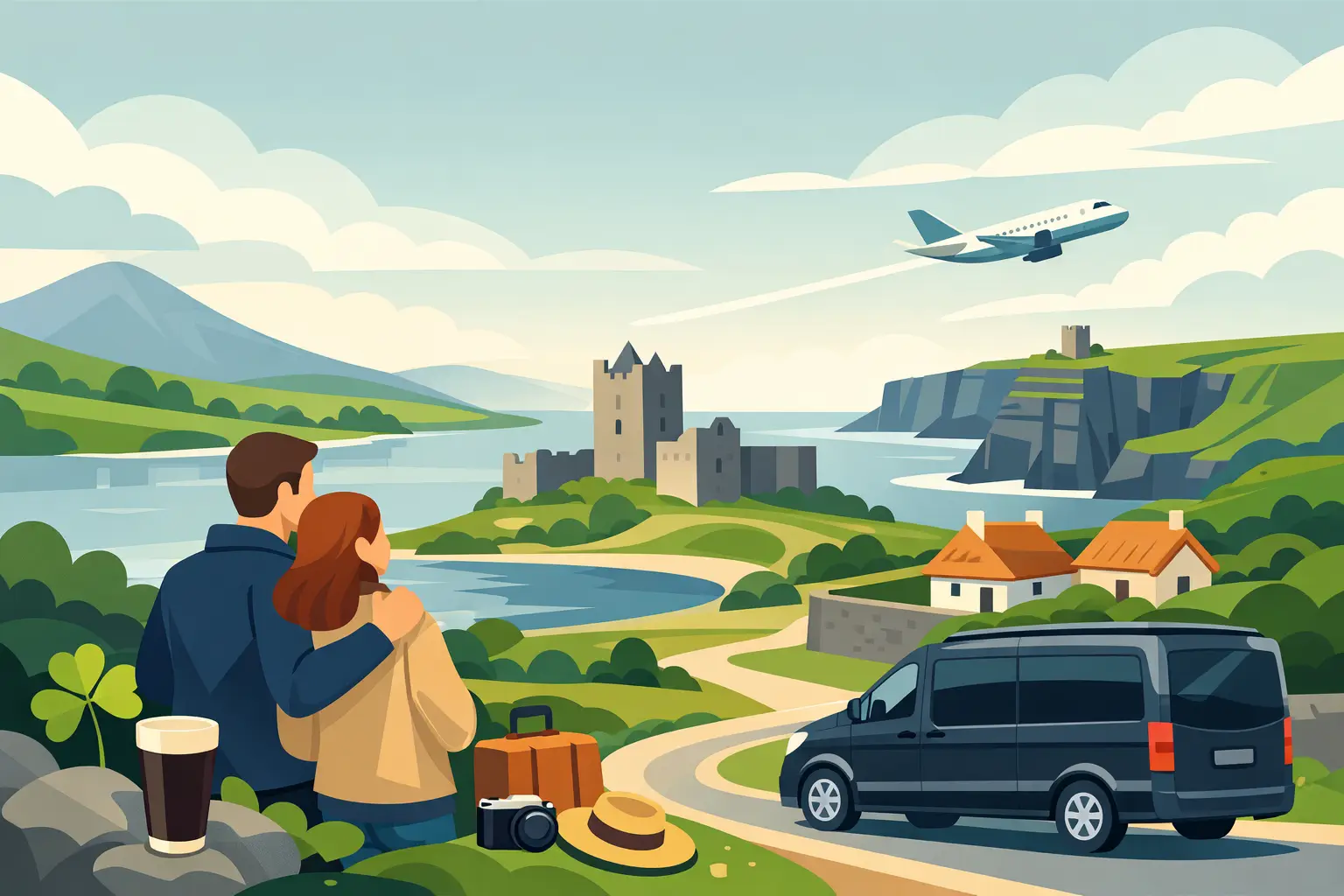
A private driver-guide sits comfortably between those options. You travel with your very own local guide, in a vehicle suited to your party, with a route built around your wishes. You choose what you wish to see, how long you wish to stay, and whether a hidden beach, a village bakery, or an extra hour at a historic site is worth the change in plan.
At Glenbeg Tours, we can shape an itinerary from a simple idea, a favorite sample route, or a detailed plan you have already prepared. We will take care of the distances, timing, and local knowledge so your attention remains where it belongs: on the experience of being in Ireland.
The best Irish vacation plan leaves room for the country to surprise you. Choose a route with purpose, give each region the time it deserves, and let your days unfold at a pace that feels like a holiday rather than a race.
If you’re looking for a more personal way to discover Ireland, click on our private tours of Ireland where we offer the freedom to explore at your own pace with your own Irish driver-guide, discovering the places, history and local experiences that make Ireland special.