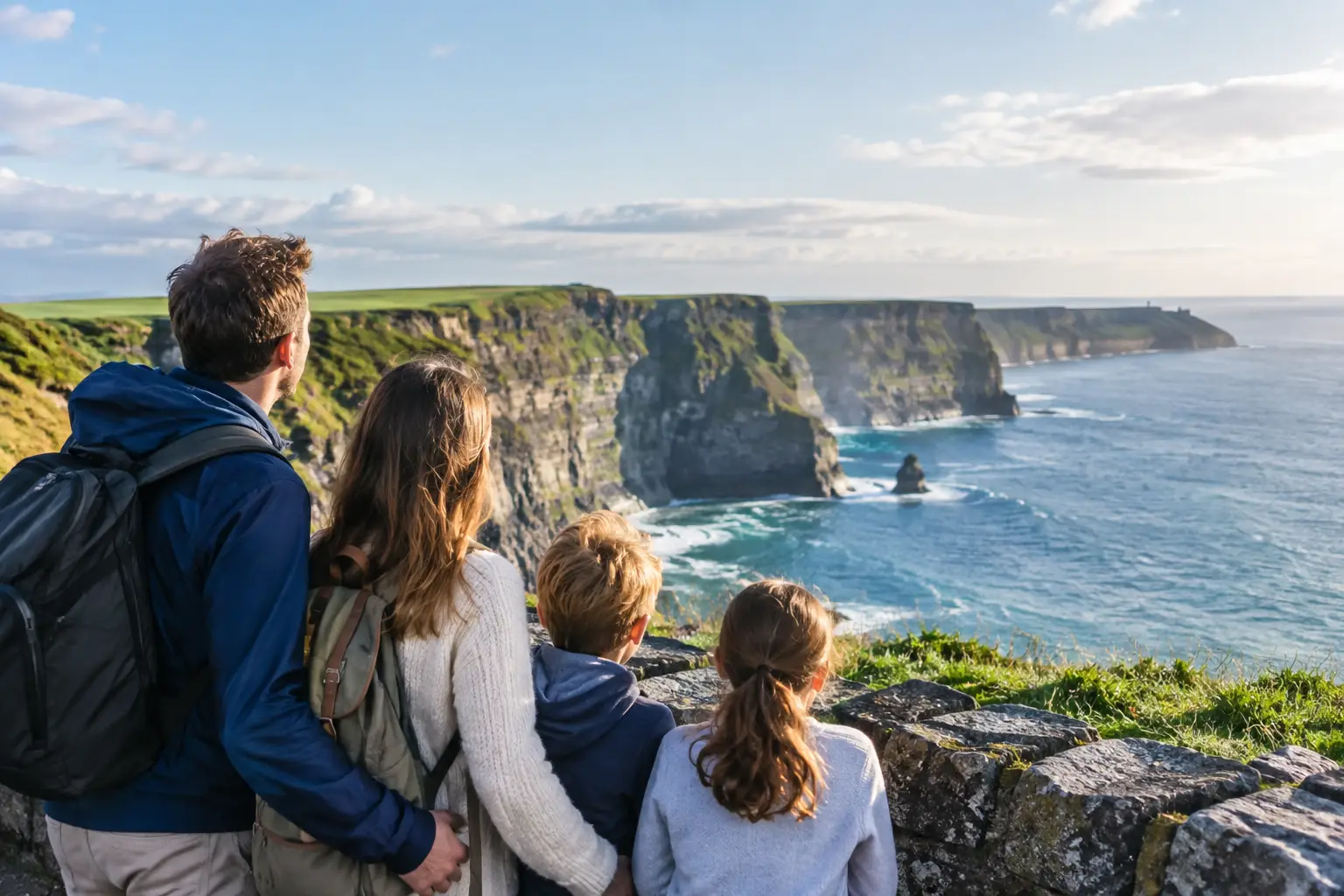
Is Ireland Good for Honeymoons? A Local View

A honeymoon in Ireland can begin with oysters beside Galway Bay, continue with a slow drive through sheep-dotted valleys, and end with a peat fire glowing in a country-house hotel. So, is Ireland good for honeymoons? For couples who value beautiful scenery, excellent hospitality, privacy, and experiences with real character, it is an exceptional choice.

Ireland is not a destination built around all-inclusive beach resorts or predictable sunshine. Its romance is more personal than polished: a table by the fire in a small village restaurant, a walk on an empty Atlantic beach, a castle stay, or a guide who knows when to take the scenic road and when to leave you to enjoy the view together. The right itinerary makes all the difference.

Why Ireland Is Good for Honeymoons

Ireland gives couples variety without requiring constant packing, airport transfers, or long travel days. Within a week or two, you can combine Dublin’s restaurants and historic neighborhoods with the Wicklow Mountains, the wild west coast, charming villages, fine hotels, and quiet countryside.

The landscapes have a natural intimacy. The Ring of Kerry and Dingle Peninsula offer sweeping coastal roads, mountain passes, and small harbors. Connemara feels open and wonderfully remote, with its lakes, stone walls, and changing Atlantic light. In Northern Ireland, the Causeway Coast offers dramatic cliffs, castles, and the remarkable basalt formations of the Giant’s Causeway.

Just as importantly, Ireland is a place where travelers are welcomed warmly. A good conversation with a local publican, a storyteller’s account of a ruined abbey, or a recommendation for a little-known garden can become part of the memory of the trip. Honeymoons need moments that feel unplanned, even when the journey itself has been carefully arranged.

The Romance Is in the Pace

The most successful Irish honeymoons avoid trying to see every county. Ireland may look compact on a map, but narrow roads, scenic detours, and the temptation to stop often mean journeys take longer than expected. Rushing from Dublin to Cork to Galway to Donegal in a few days can turn a romantic vacation into a checklist.

We usually suggest choosing two or three bases and allowing time to settle into each one. A couple with eight nights might enjoy Dublin for two nights, spend three nights in Kerry or Dingle, and finish with three nights in Galway or Connemara. A 14-night honeymoon has room for a more leisurely route, perhaps adding Belfast, the Causeway Coast, or a castle hotel in the countryside.

This slower approach leaves space for a late breakfast, a spa afternoon, an impromptu stop at a craft studio, or a long dinner without watching the clock. Those are often the moments couples remember most clearly.

Private Touring Makes the Journey Easier

For honeymooners, a private driver-guide offers a level of ease that is hard to replicate with a rental car. You can enjoy a glass of wine at lunch, watch the scenery rather than navigate unfamiliar roads, and change the plan when the weather or your mood calls for it.

Your very own private driver-guide also brings the country to life. Rather than simply pointing out landmarks, the right guide can share local history, recommend a superb lunch spot, arrange the day around your interests, and know which viewpoints are worth the detour. You choose what you wish to see, and we will take you there at your pace.

Private touring is especially valuable on a honeymoon because it preserves time and energy. Instead of studying routes each evening or worrying about parking in a busy town, you can focus on one another and enjoy the experience as it unfolds.

Where Should You Go on an Ireland Honeymoon?

The best route depends on the kind of honeymoon you imagine. Couples who enjoy lively city energy, literary history, and dining will want time in Dublin. The city works particularly well at the beginning or end of a trip, when you can settle in after a flight or enjoy a final evening of cocktails and music before heading home.

For classic Irish scenery, southwest Ireland is difficult to surpass. Killarney provides access to lakes, national park landscapes, and elegant hotels, while Dingle feels more intimate and creative, with a working harbor, traditional music, and a dramatic peninsula beyond the town. This region is ideal for couples who want a blend of comfort and the outdoors.

Galway and Connemara suit travelers drawn to the west’s wilder side. Galway offers excellent restaurants, galleries, and a spirited atmosphere. Beyond the city, Connemara opens into a landscape of mountains, bogland, beaches, and quiet villages. A stay at Ashford Castle or another distinctive country property can add a special occasion feel without making the entire honeymoon overly formal.

Northern Ireland deserves consideration as well, particularly for couples interested in coastal scenery and history. Belfast has evolved into a sophisticated city with notable food, design, and cultural experiences. From there, the Causeway Coast can be explored at a relaxed pace, with cliff walks, castle ruins, and small seaside towns along the way.

When to Visit Ireland for a Honeymoon

May, June, September, and early October are particularly lovely for a honeymoon. The days are longer in late spring and summer, gardens are in bloom, and the countryside is vibrant. September often brings a gentler pace after the busiest summer period, while early autumn can be beautiful for cozy hotels, walks, and seasonal dining.

July and August offer the warmest weather and the greatest number of festivals, but they are also the busiest months. Popular attractions and highly regarded hotels should be reserved well in advance. Winter can be wonderfully atmospheric for couples who prefer fireside dinners, city breaks, and festive celebrations, though daylight is shorter and some rural attractions operate on reduced hours.

No month can promise perfect weather. A misty morning may become a bright afternoon, and rain is part of what gives Ireland its green landscapes. Pack layers, waterproof outerwear, and shoes suitable for uneven paths. With a flexible plan, changing weather becomes part of the adventure rather than a disappointment.

What Makes an Irish Honeymoon Feel Special?

Accommodation matters. Ireland has excellent luxury hotels, historic manor houses, castles, contemporary city properties, and intimate country retreats. For many couples, the most memorable itinerary combines styles: perhaps a polished Dublin hotel, a grand castle or estate stay, and a smaller coastal property where you can hear the sea from your room.

Dining is another quiet strength. A honeymoon route can include Michelin-starred restaurants, farm-led cooking, fresh seafood on the coast, afternoon tea in a grand hotel, and uncomplicated pub meals made memorable by the setting. Reservations are essential for the restaurants you care most about, especially in Dublin, Galway, Kinsale, and popular rural areas during high season.

Experiences should be chosen for the two of you, not because every guidebook says they are required. One couple may want a private falconry experience, a whiskey tasting, and a castle dinner. Another may prefer horseback riding on a beach, a guided hike, a food tour, or simply an unscheduled afternoon in a pretty village. A bespoke itinerary allows room for both signature sights and the moments that suit your own style.

A Few Practical Considerations

Ireland is a premium honeymoon destination when you choose private transport, distinctive hotels, and exceptional dining, so it helps to decide early where you want to indulge. Many couples choose to invest in a private guide and transportation throughout, then balance their accommodations between a few standout stays and comfortable boutique hotels.

If you are considering self-driving, remember that Irish roads can be narrow, winding, and unfamiliar for American visitors. Driving is on the left, and rural journeys require patience. It can be a rewarding option for confident drivers, but it is not always the most relaxing choice after a wedding.

Build in breathing room from the start. Do not schedule an early-morning activity after a transatlantic flight. Keep one afternoon free in each region. If there is a hotel, restaurant, or experience that would make the honeymoon feel truly yours, reserve it first and shape the route around it.

Ireland rewards couples who travel with curiosity and leave room for surprise. Whether you picture castle elegance, windswept coastal walks, lively music, or quiet country roads, Glenbeg Tours can help build an Irish honeymoon around your wishes, with every detail handled thoughtfully and time left for the two of you.

12 Best Irish Coastal Villages for Your Trip

The best Irish coastal villages are not simply places to stop for a photograph. They are where a late lunch can stretch into the afternoon beside a working harbor, where sea cliffs appear around an unexpected bend, and where a good local guide can turn a pretty view into a story worth remembering. For travelers who value comfort, character, and time to enjoy the journey, these villages are some of Ireland’s most rewarding overnight stops.

A private tour makes it possible to include them without rushing. Rather than attempting to cover every corner of the coast, we can build an itinerary around the regions that suit your interests, whether that means food and gardens in the south, island culture in the west, or big Atlantic scenery in Donegal.

Best Irish Coastal Villages in the South

Kinsale, County Cork

Kinsale has the polished ease of a harbor town that knows how to welcome visitors, yet it still feels distinctly Irish. Its narrow streets are lined with brightly painted buildings, independent shops, galleries, and excellent restaurants. The harbor is particularly lovely in the early evening, when fishing boats and pleasure craft sit beneath the low hills of the Old Head peninsula.

This is a strong choice for couples, food-minded travelers, and anyone beginning or ending a journey in the south. Nearby Charles Fort adds military history and wide-water views, while the Old Head drive offers a dramatic coastal detour. Kinsale can be busy in high summer, so a private driver-guide is especially helpful for timing restaurant reservations and visiting the popular sights outside the busiest hours.

Baltimore, County Cork

Farther west on the Wild Atlantic Way, Baltimore is smaller, quieter, and beautifully placed at the edge of Roaringwater Bay. Its white-washed waterfront faces Sherkin Island and the open Atlantic beyond. This is a village for slowing down: take a private boat trip to spot seals and seabirds, enjoy freshly landed seafood, or walk up to the old castle for sunset.

Baltimore works particularly well as part of a West Cork stay with time for Skibbereen, the Mizen Peninsula, and the lush gardens of the region. It is less about checking off major attractions and more about the pleasure of being by the water. Accommodations are more limited than in Kinsale, which makes advance planning worthwhile.

Ardmore, County Waterford

Ardmore is one of the oldest Christian settlements in Ireland, but its appeal is wonderfully immediate: a small sandy beach, a handsome harbor, and a cliff walk with views across the Celtic Sea. The village’s 12th-century round tower rises above the rooftops, while St. Declan’s Well and the ruins of the cathedral give a sense of its deep history.

For a refined coastal pause between Cork and the southeast, Ardmore is difficult to beat. The cliff walk is manageable for many travelers, though uneven underfoot in places, and it can be adjusted to suit your pace. It is an excellent choice for a relaxed one- or two-night stay rather than a quick roadside stop.

Dunmore East, County Waterford

Dunmore East is a former fishing village where that heritage remains visible in the harbor. The sea is central to the experience here, from the fishing fleet to the sweeping views on the coastal walk. Its thatched cottages and small coves lend it an old-fashioned charm that feels very different from the more dramatic Atlantic coast.

This is a good fit for families and multigenerational groups who want gentle walks, seafood, and an easygoing base. It pairs naturally with Waterford city, the Copper Coast, and the gardens and estates of the southeast.

West Coast Villages for Atlantic Scenery

Dingle, County Kerry

Dingle is technically a town, but no selection of the best Irish coastal villages would feel complete without it. It has the friendly scale, harbor life, and local character travelers hope to find on the Dingle Peninsula. Colorful storefronts, traditional music, excellent pubs, and a working fishing harbor make it lively without feeling manufactured.

The real advantage of staying here is access to Slea Head Drive. With your very own private driver-guide, you can take time for ancient beehive huts, windswept beaches, and views toward the Blasket Islands without worrying about narrow roads or parking. Dingle is popular for good reason, so we generally recommend at least two nights if the peninsula is a priority.

Roundstone, County Galway

Roundstone sits on the Connemara coast amid heathery bogland, granite mountains, and clear Atlantic water. It is compact and traditional, with a small harbor and a village center that invites an unhurried wander. The colors of the landscape can change several times in an afternoon as cloud, sun, and rain move across the bay.

This is an ideal stop for travelers who want the quieter side of Connemara. Nearby Dog’s Bay and Gurteen Bay have pale sand and remarkably clear water, while the surrounding roads lead toward Kylemore Abbey, Clifden, and the Sky Road. Roundstone has a peaceful atmosphere, but dining choices are fewer than in larger nearby towns, so it suits guests who appreciate a more intimate stay.

Cleggan, County Galway

At the far western end of Connemara, Cleggan is a working fishing village with a broad view over the water to Inishbofin. It feels remote in the best sense, with boats coming and going from the pier and rugged hills immediately behind the village. The ferry to Inishbofin departs from here, making it an excellent base for travelers who want an island day without changing hotels.

Cleggan is not a place for extensive shopping or late-night bustle. Its rewards are stillness, coastal walks, fresh seafood, and access to one of Ireland’s most appealing offshore islands. For the right traveler, that trade-off is exactly the point.

Kinvara, County Galway

Kinvara stands at the southern edge of Galway Bay, where the Burren’s limestone landscape begins to meet the sea. Its colorful quay and traditional sailing boats give it a strong maritime identity, while Dunguaire Castle sits just outside the village in a memorable waterside setting.

It is a sensible and charming base for exploring both the Burren and Galway city. From here, a private route can take in the Cliffs of Moher, Poulnabrone Dolmen, artisan food producers, and lesser-known limestone backroads. Kinvara feels gentler and more village-like than staying in a larger city, although travelers seeking many dining options may prefer to combine it with time in Galway.

Northern Coastal Villages Worth the Journey

Cushendun, County Antrim

Cushendun is one of the loveliest small stops along the Causeway Coastal Route. Designed in part by architect Clough Williams-Ellis, its white cottages cluster around a river and a small beach, backed by the Glens of Antrim. The Cushendun Caves, carved by the sea, are a short walk from the village and add a striking natural feature to the visit.

For travelers touring Northern Ireland, Cushendun offers a quieter alternative to the busier stops around the Giant’s Causeway. It works well on a route between Belfast, the Causeway Coast, and Derry, particularly for guests who prefer scenery and local atmosphere over crowds.

Portballintrae, County Antrim

Portballintrae is a small harbor village just west of the Giant’s Causeway. Its sheltered bay, coastal footpaths, and proximity to Dunluce Castle make it a strategic place to pause, especially if you would like to experience this celebrated stretch of coast early or late in the day.

The village itself is understated, which is part of its charm. Stay nearby and your day can begin with a quiet walk along the water before the main visitor sites become busy. It is an excellent example of how careful routing can change the feel of a well-known destination.

Mullaghmore, County Sligo

Mullaghmore has a dramatic setting on the northwest coast, with Benbulben visible across the bay and the Atlantic rolling in beyond the harbor. The village is small, but the landscape has enormous presence. Classiebawn Castle, seen from the coastal road, adds a storybook silhouette to an already memorable drive.

It is best included as part of a wider northwest itinerary through Sligo, Donegal, or the Wild Atlantic Way. The coastline can be wild, particularly outside summer, so this is a village for travelers who enjoy big weather and open horizons rather than guaranteed beach days.

Downings, County Donegal

Downings occupies a beautiful curve of Sheephaven Bay on the Rosguill Peninsula. The village has a long sandy beach, a friendly small-scale center, and easy access to some of Donegal’s most spectacular coastal drives. From here, roads lead toward Fanad Head, Glenveagh National Park, and the striking Atlantic headlands of the north.

Donegal asks a little more of travelers because distances are longer and the roads can be winding. The reward is space, scenery, and a sense of Ireland at its most elemental. With a knowledgeable local driver-guide taking care of the route, you are free to enjoy the views, stop when the light is right, and settle into the region rather than merely pass through.

How to Choose the Right Coastal Village

The right village depends less on a ranking than on the kind of Irish vacation you want. Kinsale and Dingle offer more restaurants, energy, and evening options. Roundstone, Cleggan, Baltimore, and Downings feel more removed, with the landscape taking center stage. Ardmore and Dunmore East are gentler choices for travelers who want coastal charm without the long drives of the west and northwest.

We would not recommend trying to fit all 12 into one trip. Ireland’s coast is best enjoyed with room for a long lunch, a sudden viewpoint, or a conversation with a local shopkeeper. At Glenbeg Tours, we can help you choose the villages that belong naturally on your route, arrange a comfortable pace, and take you there with the local knowledge that makes each stop feel personal.

Choose two or three coastal bases, stay long enough to know their rhythm, and let the road between them become part of the vacation.

How to Plan an Irish Vacation Without Rushing

Ireland is compact on a map, but it should never be treated as a quick checklist. A morning in a Georgian Dublin square, an unhurried lunch in a village pub, a quiet coastal road in Connemara, and an evening beside a turf fire all deserve room in the day. The secret to how to plan an Irish vacation is not seeing the most places. It is choosing the right places, then allowing enough time to truly enjoy them.

For many American visitors, the most rewarding trip combines famous landmarks with smaller moments that cannot be scheduled by a guidebook: a storyteller’s detail in an old monastic site, a stop when the light changes over the Atlantic, or a recommendation for dinner from someone who knows the area well. A thoughtfully designed private journey gives you that freedom while keeping the practical details comfortably in hand.

Start With Your Travel Style, Not a List of Sights

Before choosing a route, decide how you wish to travel. Are you celebrating a honeymoon, traveling with parents and adult children, golfing with friends, tracing family roots, or finally taking the Ireland trip you have imagined for years? The answer affects almost every decision, from hotel style to the number of nights in each location.

Some guests want a refined country-house stay, afternoon tea, gardens, and time to browse independent shops. Others prefer dramatic scenery, coastal walks, whiskey tastings, historic castles, and lively music sessions. Most want a little of both. There is no need to choose a fixed package or follow someone else’s idea of Ireland. Your interests should shape the journey.

It also helps to be honest about your ideal daily rhythm. A private driver-guide can make travel much easier, but Ireland’s winding roads and beautiful detours still take time. If you prefer slow mornings and long dinners, plan fewer overnight stops. If your family enjoys active days and early starts, you may cover more ground without feeling hurried.

Choose the Right Number of Nights

A well-planned Irish vacation needs enough time for the route. Three or four nights can create a wonderful introduction, especially when centered on Dublin and one nearby region such as Wicklow or Galway. It is not, however, enough time to comfortably take in the entire island.

For a first visit, eight nights offers a pleasing balance. You might begin in Dublin, continue west to Galway and Connemara, travel through the Burren to see the Cliffs of Moher, and spend time in Kerry before returning through Ireland’s historic heartland. With 12 to 14 nights, there is room to add the Dingle Peninsula, Cork and Kinsale, Northern Ireland, or more time in the places that appeal most.

One-night stays are sometimes necessary, particularly on a shorter trip, but two or three nights in key locations make a notable difference. You can settle into your hotel, enjoy an evening locally, and explore without packing every morning. Galway, Killarney, Dingle, and Belfast are all strong choices for longer stays, depending on your route.

Build a Route That Makes Geographic Sense

The most common planning mistake is drawing lines between every famous sight in Ireland. The Cliffs of Moher, Giant’s Causeway, Ring of Kerry, and Dublin may all be on your wish list, but they are not neighbors. A route that looks manageable online can become a sequence of long driving days with very little time outside the vehicle.

Think in regions. Dublin and Wicklow pair naturally. Galway, Connemara, the Burren, and the Cliffs of Moher work beautifully together. Kerry can include Killarney, the Ring of Kerry, and Dingle. In the north, Belfast, the Antrim Coast, and the Giant’s Causeway deserve their own portion of the trip.

A sensible route usually moves forward rather than repeatedly doubling back. For example, travelers arriving in Dublin may travel westward, continue south through Kerry, and fly home from Shannon or Cork when schedules allow. Open-jaw flights can save valuable vacation time, though direct-flight options, airline schedules, and the overall itinerary will determine whether they are worthwhile.

Leave Space for Ireland’s Best Surprises

The headline attractions matter, and they are famous for good reason. Yet a memorable day often includes the road between them. A private journey allows time for a sheepdog demonstration, a short walk to a viewpoint, an artisan studio, an ancient ruined abbey, or a small town you would otherwise pass by.

That flexibility is especially valuable in Ireland, where weather can shift quickly. A misty morning may be ideal for a castle or museum, while a bright afternoon may call for the coast. A knowledgeable local guide can adjust the order of the day without making you feel that plans have fallen apart.

Decide When to Go, Then Plan for the Season

May, June, September, and early October are particularly appealing for travelers who want lovely daylight, green landscapes, and a little more breathing room than the height of summer. July and August bring the liveliest atmosphere and long evenings, but popular hotels and experiences book early, and major sites can be busier.

Spring brings fresh color, while late autumn and winter can suit guests who value cozy hotels, festive city breaks, and a quieter atmosphere. The trade-off is shorter daylight and a greater chance that outdoor plans will need adjustment. Ireland’s weather is part of its character, so bring layers, a waterproof outer layer, and shoes suitable for uneven ground. A forecast is useful, but it should not dictate your mood.

For peak-season travel, begin hotel planning as early as possible. The best small properties, castle hotels, and well-located city accommodations have limited rooms. This is particularly true for families, groups needing multiple rooms, and travelers with specific accessibility needs.

Select Hotels That Support the Experience

The right hotel is more than a place to sleep. A gracious city hotel puts Dublin’s theaters, restaurants, and history close at hand. A country estate offers quiet grounds and a sense of occasion. A well-chosen boutique hotel in Galway or Killarney means you can step out for dinner or traditional music without another drive.

Consider what each stop needs to do for you. If you are staying two nights in a scenic area, a hotel with a memorable restaurant, spa, or peaceful setting may be worth prioritizing. If you are using a city as a base for full days of touring, central location may matter more. For multigenerational families, connecting rooms, elevators, and easy access can be as important as atmosphere.

Add Experiences With Meaning

It is tempting to fill every day with attractions, but the finest Irish itineraries mix sightseeing with experiences that reflect your own interests. A history lover may appreciate private access or a guide’s deeper context at ancient sites. Food-minded travelers may enjoy a market visit, cooking experience, or an exceptional meal in Kinsale. Those with Irish ancestry may wish to spend time in a parish, townland, or county connected to their family story.

Golf, gardens, horseback riding, walking, fishing, distillery visits, and traditional music can all be worked into a route. The key is to choose a few experiences that matter rather than collecting reservations. Allow time for a proper lunch and the occasional unscripted stop. That is often where Ireland feels most personal.

Consider Private Touring for Ease and Flexibility

Self-driving offers independence, and it can suit confident travelers who enjoy managing routes and rural roads. It also asks someone in your party to navigate on the left, handle narrow lanes, find parking, and remain focused while the scenery is asking for attention. Group coach tours remove those responsibilities, but they operate on a fixed timetable and shared itinerary.

A private driver-guide sits comfortably between those options. You travel with your very own local guide, in a vehicle suited to your party, with a route built around your wishes. You choose what you wish to see, how long you wish to stay, and whether a hidden beach, a village bakery, or an extra hour at a historic site is worth the change in plan.

At Glenbeg Tours, we can shape an itinerary from a simple idea, a favorite sample route, or a detailed plan you have already prepared. We will take care of the distances, timing, and local knowledge so your attention remains where it belongs: on the experience of being in Ireland.

The best Irish vacation plan leaves room for the country to surprise you. Choose a route with purpose, give each region the time it deserves, and let your days unfold at a pace that feels like a holiday rather than a race.

An 8 Day Ireland Private Tour Built Around You

The difference between seeing Ireland and feeling that you have truly been there often comes down to time, pace, and local knowledge. An 8 day Ireland private tour gives you enough room to pair the country’s celebrated sights with the quiet moments that stay with you: a pub conversation in a small village, a coastal road that invites an unplanned stop, or a castle viewed without the pressure of rejoining a coach.

With your very own private driver-guide, the journey is shaped around what matters to you. You may want dramatic scenery, ancestral connections, fine food, Irish music, gardens, golf, history, or simply a relaxed introduction to the country. We can build the route around your wishes, while taking care of the distances, roads, timing, and local details that make a vacation feel effortless.

Why Eight Days Is a Wonderful Length for Ireland

Ireland looks small on a map, but its narrow roads, changing landscapes, and wealth of worthwhile stops deserve more than a rushed drive-through. Eight days allows you to see the country’s signature highlights without changing hotels every night or spending each day watching the clock.

For many first-time visitors, this is the ideal length for a circular journey from Dublin. You can enjoy the east, travel south toward Cork and Kerry, follow the Atlantic coast through Clare and Galway, and return across the country at a comfortable pace. Alternatively, travelers who prefer fewer regions can spend more time in the southwest and west, with longer stays in Kenmare, Killarney, Doolin, Galway, or Connemara.

The best route depends on your interests. A family traveling with teenagers may value active days and flexibility. A honeymoon couple may prefer scenic drives, exceptional restaurants, and beautiful country-house hotels. A multigenerational group may choose a gentler itinerary with shorter drives and accessible heritage sites. There is no single right way to travel Ireland, which is exactly why a private tour works so well.

What Your Private Driver-Guide Adds to the Journey

Private touring is not simply private transportation between attractions. Your driver-guide is your knowledgeable companion on the road, someone who understands when a viewpoint is at its best, which route is more scenic, and where a short detour is genuinely worth your time.

That personal guidance changes the rhythm of each day. If you linger over lunch in Kinsale, we can adjust the afternoon. If the weather is particularly clear along the Ring of Kerry, we can make the most of it. If a busy landmark does not appeal on the day, there may be a less-visited abbey, garden, craft studio, or coastal walk nearby that better suits your mood.

It also means you are free to appreciate the journey. Ireland’s roads can be beautiful but unfamiliar, especially on rural routes with stone walls, sheep, changing weather, and left-side driving. Rather than navigating, parking, and calculating the next turn, you can look out the window, ask questions, and enjoy the conversation.

A Sample Route for an 8 Day Ireland Private Tour

A well-designed itinerary balances the places people have dreamed of seeing with enough time to experience them properly. The following route is a proven starting point, not a fixed package. It can be shortened, extended, or amended to suit your preferred hotels, arrival city, and travel style.

Days 1 and 2: Dublin, Wicklow, and Ireland’s Ancient East

Begin in Dublin with time for the city at your pace. You may wish to see Trinity College, the Book of Kells, Dublin Castle, St. Patrick’s Cathedral, or the National Museum. Some guests prefer a walking-oriented day focused on Georgian squares, literature, and lively neighborhoods, while others enjoy a relaxed introduction with time reserved for afternoon tea or a memorable dinner.

On the following day, leave the city behind for the Wicklow Mountains. Glendalough is a particular highlight, with its early Christian monastic settlement set among wooded valleys and lakes. The scenery offers a gentle but striking contrast to Dublin, and a private route can include quiet lanes, a local lunch, and time to walk as much or as little as you wish.

Days 3 and 4: Cork, Kinsale, and the Kerry Coast

Travel south toward County Cork, perhaps stopping at the Rock of Cashel, one of Ireland’s most dramatic historic sites. Its medieval buildings rise above the surrounding countryside, making it an excellent place to bring Irish history into focus before continuing to the coast.

Kinsale is a natural choice for an overnight stay. Known for colorful streets, maritime history, and excellent dining, it has an easy, welcoming character. From here, your itinerary might include nearby Cobh, the last port of call for the Titanic, or a visit to the Jameson distillery at Midleton if whiskey is of interest.

Then continue west toward Kenmare or Killarney, two excellent bases for County Kerry. Kenmare feels intimate and refined, while Killarney offers greater access to the national park and a wider range of activity options. We will help you choose the setting that feels most like your kind of vacation.

Days 5 and 6: Ring of Kerry, Dingle, and the Wild Atlantic Way

Kerry deserves time. A private driver-guide can take you along the most scenic stretches of the Ring of Kerry, stopping for mountain views, coastal panoramas, historic sites, and villages that large vehicles often cannot reach comfortably. The route is never just about covering the circuit. It is about pausing where the light, landscape, and local stories make you want to stay awhile.

The Dingle Peninsula offers a different but equally memorable character. Its winding roads lead past ancient beehive huts, sandy beaches, and wide Atlantic views, while Dingle town is known for music, seafood, and a friendly evening atmosphere. Some travelers choose the Ring of Kerry and Dingle on separate days; others prefer one peninsula in greater depth. The choice comes down to whether you want breadth or a slower experience of one place.

Days 7 and 8: Cliffs of Moher, the Burren, and Galway

Continue north through County Clare, where the Cliffs of Moher provide one of Ireland’s defining coastal views. Their scale is extraordinary, but timing matters. Visiting early or later in the day can make the experience calmer and more personal, particularly in peak season.

Nearby, the Burren is unlike anywhere else in Ireland. This limestone landscape appears almost lunar at first glance, yet it is rich with wildflowers, ancient tombs, stone walls, and enduring rural traditions. It is a place that rewards curiosity, whether your interests lie in geology, archaeology, photography, or simply the pleasure of a road that keeps revealing something unexpected.

Finish in Galway, a lively harbor city with traditional music, independent shops, and a strong sense of local character. Depending on your departure plans, your final day may include Galway’s medieval lanes, a drive through Connemara, or a comfortable return journey toward Dublin or Shannon Airport.

The Details That Make the Trip Feel Personal

The best luxury travel does not feel overly scheduled. It feels well considered. Before your tour begins, we can discuss the type of accommodations you enjoy, whether that means five-star city hotels, elegant manor houses, boutique properties, or welcoming country retreats. We can also make recommendations for restaurants, special celebrations, private experiences, and activities suited to your group.

If you have Irish family roots, we can allow time to explore a county or village connected to your family story. If you are passionate about gardens, horses, whiskey, golf, photography, or traditional music, those interests can guide the route. Even travelers with a detailed plan already in hand can benefit from having it refined around realistic travel times and the places that are most rewarding on the ground.

At Glenbeg Tours, we believe the most memorable Irish vacations leave room for the unplanned moments as well as the landmarks. Tell us how you like to travel, what you hope to feel when you are here, and the places that have been calling to you. We will help shape eight days that feel entirely your own.

14 Day Private Ireland Tour, Made for You

Ireland rewards travelers who give it time. A dramatic coast road can lead to a quiet harbor village, a castle visit can prompt a conversation about family history, and a short detour may become the moment everyone remembers most. A 14 day private Ireland tour gives you the rare luxury of seeing the country properly: not as a checklist, but at a pace that leaves room for atmosphere, discovery, and a proper cup of tea when the weather turns.

With your very own private driver-guide, the journey is shaped around what matters to you. You may wish to follow ancestral roots, spend unhurried days in the west, play celebrated golf courses, enjoy exceptional food, or combine Ireland’s signature sights with places that do not appear in every guidebook. We can help you build the route around your wishes and take care of the daily driving, timing, and local detail.

Why 14 Days Is a Different Kind of Ireland Vacation

Two weeks allows Ireland to unfold naturally. Shorter trips can deliver a wonderful introduction, but they often require choices between Dublin, the west coast, Northern Ireland, or the southwest. With 14 days, you can connect these regions without making every morning an early departure and every evening a new hotel check-in.

That extra time is especially valuable on Ireland’s winding rural roads. Distances on a map can look modest, yet a scenic drive through Connemara, the Dingle Peninsula, or County Donegal deserves to be enjoyed rather than rushed. Your driver-guide knows when a route is worth lingering over, when a popular attraction is best visited, and where a small change of plan can avoid crowds or make the most of a bright afternoon.

A private journey also offers breathing room for the things that do not fit neatly into a fixed schedule. Perhaps you would like another hour in a gallery, a walk along a beach, lunch in a village your guide recommends, or an afternoon back at your hotel. Your vacation should feel personal, not prescribed.

A 14 Day Private Ireland Tour at Your Pace

Most guests begin in Dublin, where an airport welcome and private transfer set a calm tone from the start. The city can be as lively or as measured as you wish. Some travelers want Georgian squares, literary history, Trinity College, and an evening of traditional music. Others prefer a relaxed introduction with fine dining, a whiskey tasting, or time to settle into a beautiful city hotel.

From Dublin, a well-paced route might travel south through the Wicklow Mountains, with time for Glendalough’s early Christian monastic site and its peaceful valley. Cork and Kinsale can follow, offering colorful streets, maritime history, and some of Ireland’s finest restaurant tables. The southwest then opens into Killarney, the Ring of Kerry, and the Dingle Peninsula, where stone walls, mountain passes, and Atlantic views set the rhythm of the day.

The west coast deserves more than a quick stop at the Cliffs of Moher. A longer itinerary can include the Burren’s limestone landscape, Galway’s lively streets, and the wide, open beauty of Connemara. Depending on your interests, you might visit Kylemore Abbey, take a boat trip, meet local craftspeople, or simply enjoy a scenic drive with time to stop when something catches your eye.

Northern Ireland adds another compelling dimension. Belfast’s history, the Causeway Coastal Route, Dunluce Castle, and the Giant’s Causeway make a memorable northern chapter. Donegal is also a wonderful choice for travelers looking for wilder scenery, quieter roads, and a strong sense of place. Not every 14-night trip needs to cover every region. For many guests, choosing fewer overnight bases and staying longer in each is the more luxurious decision.

The Value of Fewer Hotel Changes

A common planning mistake is trying to sleep somewhere new every night. It can appear efficient, but it often turns a vacation into a packing routine. On a private tour, we generally recommend two- or three-night stays in key areas whenever the route allows.

This gives you the comfort of returning to a familiar room after a full day and allows your driver-guide to show you more of a region without moving luggage each morning. It is particularly effective in Killarney, Dingle, Galway, and Belfast, where there is much to experience within easy reach.

There are exceptions. Travelers with a strong interest in remote landscapes may enjoy a more mobile route through the Wild Atlantic Way, while golfers may choose hotels based on tee times and preferred courses. The right balance depends on your priorities, not a standard template.

What Your Private Driver-Guide Changes

Ireland is welcoming to independent travelers, but self-driving brings practical challenges. Roads can be narrow, weather can change quickly, and driving on the left may feel demanding after a long flight. More importantly, the person behind the wheel misses the changing views, the stories, and the freedom to enjoy a pint with lunch if they choose.

Your private driver-guide brings far more than transport. They are your local companion, a knowledgeable source of history and context, and the person quietly managing the details that keep each day comfortable. They can suggest the best time to visit a landmark, adapt the route when conditions change, and introduce the kind of local stops that are difficult to plan from home.

That personal knowledge matters in small ways as well as large ones. A guide may know the right village for lunch, the less-crowded viewpoint, the shop with a meaningful Irish-made gift, or the road that reveals a better view of the coast. They also understand when a day needs to slow down. For families, multigenerational groups, and travelers celebrating a special occasion, that flexibility is invaluable.

Personal Interests Make the Itinerary Yours

The finest private vacations are built around the reasons you are traveling, not simply the places you have heard of. A 14-day journey provides enough time to add experiences that reflect your family, your hobbies, and your curiosity.

For those tracing Irish heritage, we can allow time for a parish visit, a local genealogy appointment, or a drive through an ancestral county. Food-loving travelers might include market visits, a cookery experience, seafood along the coast, and reservations at standout restaurants. Garden enthusiasts can enjoy historic estates, while golfers can arrange a route centered on Ireland’s great links courses.

Couples on a honeymoon may prefer romantic castle stays, private scenic drives, and leisurely afternoons. Families often value hands-on activities, easy walks, wildlife experiences, and room for children or grandparents to set the pace. If you have a pre-prepared plan, we can refine it, point out what is realistic, and build in the local experiences that make the journey feel less scripted.

Planning Details That Deserve Early Attention

For a premium Ireland vacation, accommodations should be considered early, especially for summer travel, festive periods, and sought-after properties in the southwest and along the west coast. The best rooms, suites, and country-house hotels can be limited well in advance. Dining reservations at popular restaurants may also shape the rhythm of certain evenings.

Weather is another reason to plan with flexibility rather than fear. Ireland can offer sunshine, mist, wind, and rain in a single day, often with remarkable light between the showers. The key is having a thoughtful route, suitable clothing, and a guide ready with good alternatives. A rainy morning at a coastal viewpoint may become a distillery visit, a museum, or a long lunch by a fire, while a clear afternoon can be saved for the views.

It also helps to be honest about pace. If every member of your party wants to see every major site, 14 days can feel surprisingly full. If your goal is to savor Ireland, prioritize a few regions and leave space for the unplanned moments. Glenbeg Tours can create either approach, with the same attention to comfort and personal service.

Begin with the Ireland You Want to Remember

The best place to start is not with a map. Start with the feeling you want to take home: a family story brought to life, a favorite coastal drive, music heard in a small pub, a warm welcome at a country hotel, or the pleasure of watching Ireland pass by while someone else handles the road. Share those wishes, and we will help shape the days around them.

A Private Connemara Tour From Galway, Your Way

The road west of Galway does not take long to change character. City streets give way to stone walls, grazing sheep, quiet lakes, and the wide Atlantic light that makes Connemara feel both wild and welcoming. A private Connemara tour from Galway gives you the freedom to experience that change at your own pace, with your very own private driver-guide to handle the route, timing, and local detail.

This is not a day for rushing from one photo stop to the next. Connemara is at its best when there is room to pause: to hear why a famine-era road runs across a lonely valley, to linger by a beach near Roundstone, or to sit down for a good lunch when the weather turns brisk. We can build the day around the places that interest you most, whether that means iconic scenery, Irish history, gardens, crafts, food, or simply a memorable drive through one of Ireland’s most striking regions.

Why Choose a Private Connemara Tour From Galway?

Connemara looks compact on a map, but its narrow roads, changing weather, and abundance of worthwhile stops make it a place where local planning matters. A private tour removes the need to navigate unfamiliar roads, watch the clock for a coach departure, or decide which detour is worth taking. Your driver-guide knows how to shape the day around conditions and your priorities.

For some guests, the ideal day is centered on Kylemore Abbey and its Victorian Walled Garden, with time to absorb the story of the estate rather than simply pass through it. Others prefer the open landscapes of the Inagh Valley, the shoreline around Roundstone, or a scenic route along Killary Harbour, Ireland’s only fjord. Families may want a relaxed combination of short walks, animals, beaches, and a village lunch. Couples often prefer a more unhurried day with beautiful viewpoints and time for a special meal.

The difference is not just privacy. It is choice. You decide whether the day begins early, which experiences deserve more time, and how active you would like it to be. We will advise on what is realistic, then make the journey feel like it was designed for you rather than for a full coach of strangers.

A Day Shaped Around the Landscape

Most private day tours from Galway allow time for Connemara’s essential scenery while leaving room for the unexpected. The route may travel through the Maam Valley or the Inagh Valley, where mountains rise sharply from peatland and lakes. These are places where a brief stop can become one of the most lasting memories of an Irish vacation.

Kylemore Abbey is often a highlight. Set beside a lake below the Twelve Bens, the former castle has a story that reaches from Victorian romance to Benedictine life and Irish education. The Gothic church and walled garden are especially appealing for travelers who enjoy history, architecture, and quiet places with a strong sense of setting. If Kylemore is high on your list, we will allow enough time to enjoy it properly.

Beyond Kylemore, the route can be tailored in several directions. A drive through Letterfrack offers access to the landscapes around Connemara National Park. Leenane and Killary Harbour bring dramatic mountain-and-water views, while Roundstone provides a different side of the region: a small coastal village, nearby beaches, and local craft traditions. On a longer summer day, it may be possible to include a broader loop. In winter, or when you would rather travel at an easier pace, fewer stops often make for the better experience.

Weather is part of Connemara’s character. A misty morning can make the valleys feel wonderfully atmospheric, while a clear afternoon reveals distant peaks and changing shades of water. Your driver-guide will adapt the order of the day where possible, using local knowledge to make the most of the conditions rather than treating the itinerary as fixed.

The Stops That Do Not Fit a Coach Schedule

Some of Connemara’s finest moments happen between its headline attractions. It may be a pull-in beside a lake where the light is particularly good, a small village shop, a view across bogland toward the mountains, or a conversation about the stone walls and turf-cutting traditions that have shaped the landscape.

A private driver-guide can bring context to what you see. Connemara’s beauty is inseparable from its history – the Irish language, emigration, the famine, farming on difficult land, and communities that have maintained a distinctive cultural identity. The stories add depth without taking away from the pleasure of simply looking out the window.

If you have a personal interest, tell us before you travel. We can help shape a route around photography, genealogy, gardens, traditional music, walking, local food, or places connected to your family story. A carefully planned private day has structure, but it should also leave room for curiosity.

Comfort Matters on the Road

A full Connemara day involves driving, and that is worth acknowledging. The region’s dramatic scenery is spread across a large area, so the best itineraries balance time in the vehicle with meaningful stops. Trying to see every corner in one day can leave guests with plenty of photographs but little sense of place.

With private transportation, the travel itself becomes part of the experience. You can settle into a comfortable vehicle, enjoy the views, and ask questions as they arise. There is no need to concentrate on driving on the left, negotiate tight village streets, or worry about parking at popular sites. If someone in your party needs a gentler pace or has mobility considerations, we can plan sensible distances and choose stops accordingly.

Lunch is another small but important detail. Rather than being directed to a large restaurant chosen for a group schedule, you can opt for a welcoming village pub, a casual café, or a more refined meal, depending on the route and your preferences. Good planning allows time to enjoy it.

How to Make the Most of Your Day

The strongest private tours begin with a few honest preferences. Let us know if Kylemore Abbey is essential, if you would rather avoid long walks, whether you are traveling with children or older family members, and how much time you want for photographs. A couple celebrating an anniversary may want a scenic, leisurely route. A multigenerational family may value frequent comfort stops and a mix of activities. Neither approach is better – each calls for a different plan.

It also helps to consider the season. Spring brings fresh color and quieter roads. Summer offers long daylight hours and the greatest flexibility, though popular locations are busier. Autumn can be especially beautiful when the hills take on deeper tones. Winter days are shorter, but Connemara’s moody skies and quieter atmosphere can be extraordinary for travelers prepared for changeable conditions.

Comfortable shoes and a rain layer are always sensible, even if your plans are mostly scenic. The weather can shift quickly, and a short walk to a viewpoint may become one of the day’s highlights. If you have your heart set on a particular experience, such as a boat trip or a sheepdog demonstration, mention it early. Availability and seasonal schedules can influence the best route.

From Galway to Connemara, With Time to Enjoy It

Galway is an excellent base for a private day in Connemara because the landscape begins almost as soon as you leave the city. You can return to your hotel in the evening without changing accommodations, carrying bags, or working out the next stage of the journey. For guests continuing on a longer Irish vacation, a Connemara day can also be incorporated into a wider route, with an onward overnight instead of a return to Galway.

At Glenbeg Tours, we can begin with one of our proven Connemara routes and amend it around your wishes. Perhaps that means a day focused on Kylemore Abbey and the valleys, a coastal journey with Roundstone and Killary Harbour, or an itinerary with less driving and more time in a few carefully chosen places. Your driver-guide will take care of the practical details while sharing the region with the warmth, knowledge, and good humor that make private touring so rewarding.

Tell us what you hope to remember from Connemara: the mountains, the stories, a special lunch, a family photograph beside the Atlantic, or simply the pleasure of having nowhere to hurry. We will help you create a day that makes room for it.

Ireland Vacations Built Around Your Pace

A great Irish trip is rarely about how many counties you can fit into one itinerary. It is about standing at the edge of the Atlantic when the light is right, lingering over lunch in a village you had never planned to visit, and hearing the story behind a ruined abbey from someone who knows it well. The finest Ireland vacations leave room for those moments while still bringing you to the landmarks you came to see.

For American travelers, Ireland is wonderfully familiar in spirit yet delightfully different once you leave the airport. Distances can look short on a map, but narrow country roads, scenic stops, and a desire to savor the day can change the rhythm entirely. A private, thoughtfully planned journey lets you enjoy the country at your pace without spending your vacation watching road signs, finding parking, or wondering whether you have missed the better turn.

What Makes an Irish Vacation Feel Personal

Ireland has its celebrated highlights: the Cliffs of Moher, the Ring of Kerry, the Giant’s Causeway, Trinity College, and the winding roads of Connemara. They are worth seeing. But a memorable visit is usually shaped by the details around them – a coastal drive that avoids the busiest route, a warm pub chosen for its food as much as its music, or an early start that gives you a famous viewpoint before the crowds arrive.

That is why the right itinerary should begin with your interests, rather than a fixed route. Some guests want Irish history, castles, and ancestral places. Others are drawn to gardens, golf, fine dining, walking trails, whiskey, or simply beautiful scenery with comfortable hotels at the end of each day. Families may want a little more variety and less time in the car. Honeymooners may prefer slower mornings and exceptional dining. There is no single best Ireland itinerary, only the one that fits the way you wish to travel.

A private driver-guide makes that flexibility practical. If a market catches your interest, the weather opens over a mountain pass, or you decide that a small harbor town deserves another hour, your day can adjust. You have the reassurance of a local professional handling the route and the timing, while the experience remains entirely your own.

Choosing Ireland Vacations by Available Time

The number of nights you have matters, but so does where you choose to begin and end. Ireland rewards travelers who resist the urge to cover every corner in one visit. A well-paced route gives the landscape, the towns, and your accommodations time to become part of the experience.

A Three- or Four-Night Escape

A shorter private vacation can be an excellent introduction to Ireland, particularly when centered on one region. From Dublin, Wicklow offers mountain scenery, ancient monastic history at Glendalough, and graceful country estates without a long transfer. The west coast is another compelling choice, with Galway, the Burren, and the Cliffs of Moher creating a route rich in character and dramatic views.

The trade-off is simple: a short trip is better when it is focused. Trying to combine Dublin, Belfast, Kerry, and Galway in four nights turns the journey into a series of transfers. Choose one or two areas, book lovely places to stay, and allow the days to unfold naturally.

An Eight-Night Journey

Eight nights allow for a satisfying introduction to several distinct sides of the country. You might begin in Dublin, travel through Wicklow or Kilkenny, continue south to Cork and Killarney, then follow the western coast toward the Cliffs of Moher and Galway. Another route could pair Dublin with Northern Ireland, including Belfast and the Giant’s Causeway, before returning through quieter inland landscapes.

This length works especially well for couples and families who want both famous sights and breathing room. It allows for two-night stays in selected locations, which means you can enjoy a proper evening in a town instead of continually packing and unpacking.

Twelve to Fourteen Nights

With two weeks, Ireland becomes less of a checklist and more of a journey. You can travel from Dublin through the south and west, explore Connemara and the northwest, and include Northern Ireland without forcing long days behind the wheel. You can add an island excursion, a walking day, a private castle visit, a golf experience, or time to trace family connections.

Longer itineraries also provide flexibility for Ireland’s famously changeable weather. A misty morning can become an ideal time for a museum, distillery, or relaxed lunch, while a clear afternoon can be used for a coastal drive or a walk. Having time is a luxury in itself.

Let the Season Shape the Experience

Ireland is rewarding throughout the year, although each season asks for slightly different expectations. Late spring brings fresh green landscapes, longer days, and a lively feeling before peak summer. Summer offers the most daylight and broadest range of activity options, but popular sites and accommodations require earlier planning.

September and October are often wonderful for travelers who prefer a gentler pace, with softer light, autumn color, and excellent food experiences. Winter can be deeply atmospheric, particularly for city stays, cozy country hotels, and cultural travel, though daylight is shorter and some rural attractions have limited hours.

Weather should influence daily plans, not discourage them. A private itinerary can balance outdoor highlights with indoor options so that rain does not feel like a lost day. In Ireland, a passing shower may be followed by clear skies, a rainbow over a stone wall, and a view that feels entirely your own.

Why a Private Driver-Guide Changes the Journey

Self-driving gives travelers independence, but it also comes with real considerations. Driving on the left, navigating narrow roads, managing unfamiliar signage, and finding parking in busy towns can take attention away from the scenery. Coach tours remove the driving, but they operate on someone else’s clock and often spend limited time in the places that interest you most.

With your very own private driver-guide, you can enjoy the advantages of both comfort and freedom. You can ask questions as they arise, stop for photographs when the landscape calls for it, and change the pace when needed. A good guide also brings context: why a town developed where it did, how a historic event shaped the region, where local people go for lunch, and which route is most enjoyable on that particular day.

At Glenbeg Tours, we can take your ideas, a favorite hotel list, or even a fully prepared route and shape it into a private journey that works in real life. We will help you balance driving time, landmarks, quiet discoveries, and the kind of accommodations and dining that suit your wishes.

Build in the Experiences You Will Remember

The best planning starts with the moments you want to have, not just the places you want to pin on a map. A traveler interested in food may want to include a farm visit, a seafood lunch on the coast, and time in a city with a strong restaurant scene. History lovers may prefer ancient sites, Georgian houses, battlefields, and local museums. Those traveling with several generations often appreciate a mix of easy-access scenic stops, engaging stories, and unhurried hotel time.

It also helps to be honest about your preferred daily rhythm. Some guests enjoy setting out early and filling the day with stops. Others would rather have a relaxed breakfast, one major visit, a beautiful drive, and a long evening meal. Neither approach is better. Your itinerary should feel generous, not exhausting.

Consider reserving at least one day with very little structure. In a country where a conversation can lead to an unexpected recommendation, that open space can become the day you remember most clearly.

A Few Planning Details That Make a Difference

Book the experiences that matter most before building the rest of the route. The right hotel in the right location, a special dinner reservation, golf tee times, or a particular attraction may determine the most sensible order of travel. Once those pieces are in place, the rest of the itinerary can be arranged around them.

When comparing accommodations, think beyond star ratings. A grand country house, a five-star city hotel, a refined manor, and a well-run boutique property can each deliver a different kind of luxury. Location matters as much as the room itself. Staying within walking distance of an evening pub or overlooking a quiet bay may shape your experience more than an extra hour of driving to another property.

Finally, leave room for the road itself. The journey between destinations is not dead time in Ireland. It is where you may pass sheep-dotted fields, medieval ruins, peat bogs, whitewashed cottages, and small towns whose names you will want to remember.

When you are ready to plan, begin with the feeling you want from the trip: lively cities and coastal drama, quiet countryside and historic estates, or a little of everything. We can help you turn that feeling into an Irish journey with time to look up, listen closely, and enjoy every mile.