Wild Atlantic Way Private Tour at Your Pace
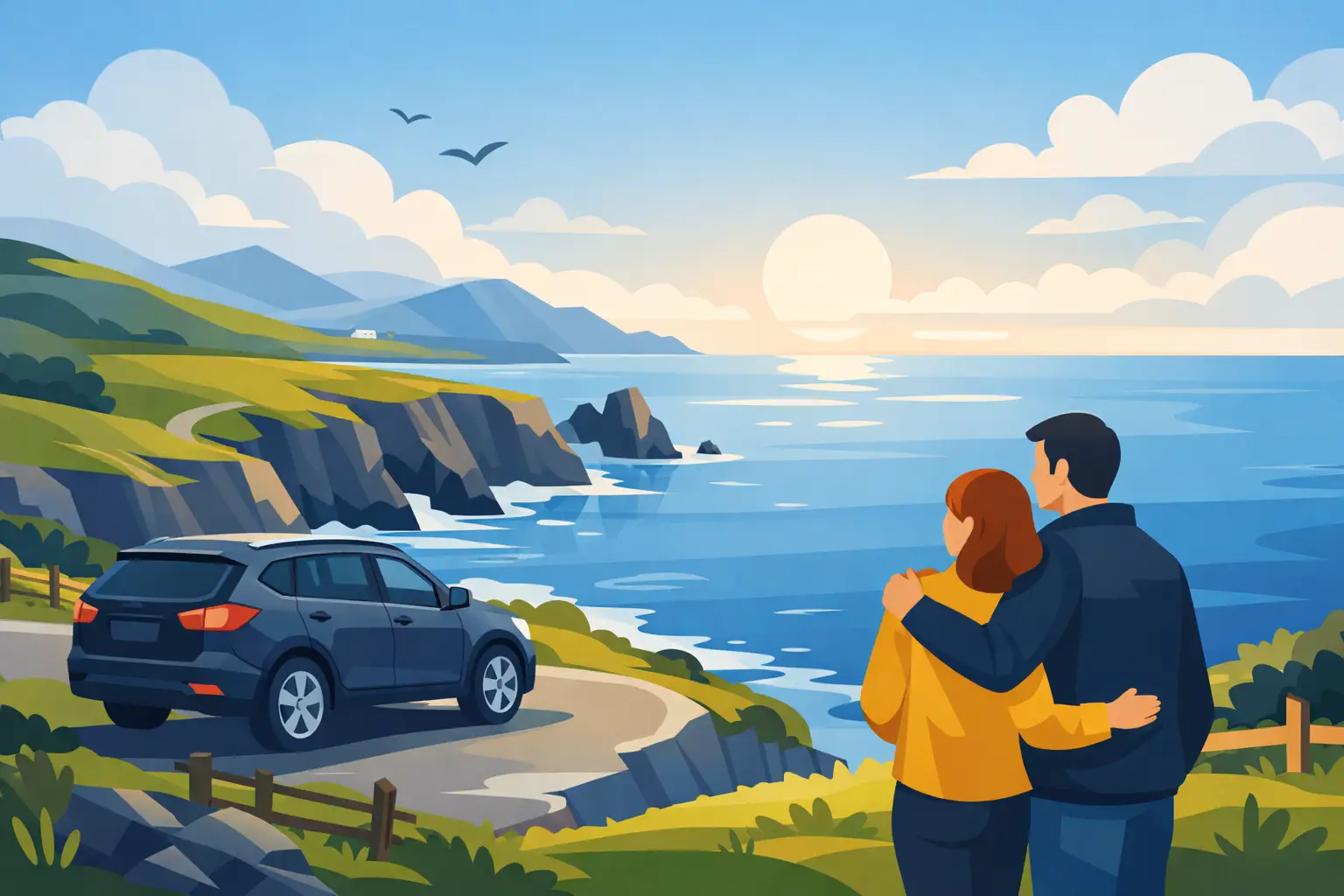
The Wild Atlantic Way is not a road to be hurried. A Wild Atlantic Way private tour gives you the freedom to pause when the light changes over a bay, take the smaller road when it leads somewhere interesting, and spend less time watching the clock. With your very own private driver-guide, the journey becomes as rewarding as the famous places along the route.
Stretching along Ireland’s western and northern coast, the Wild Atlantic Way contains soaring cliffs, quiet peninsulas, lively harbor towns, ancient stone sites, and some of the country’s most characterful places to stay and eat. It is also long. Trying to cover too much of it on a fixed schedule can turn an Irish vacation into a series of hotel check-ins. The right private itinerary gives each day room to breathe.
Why Choose a Wild Atlantic Way Private Tour?
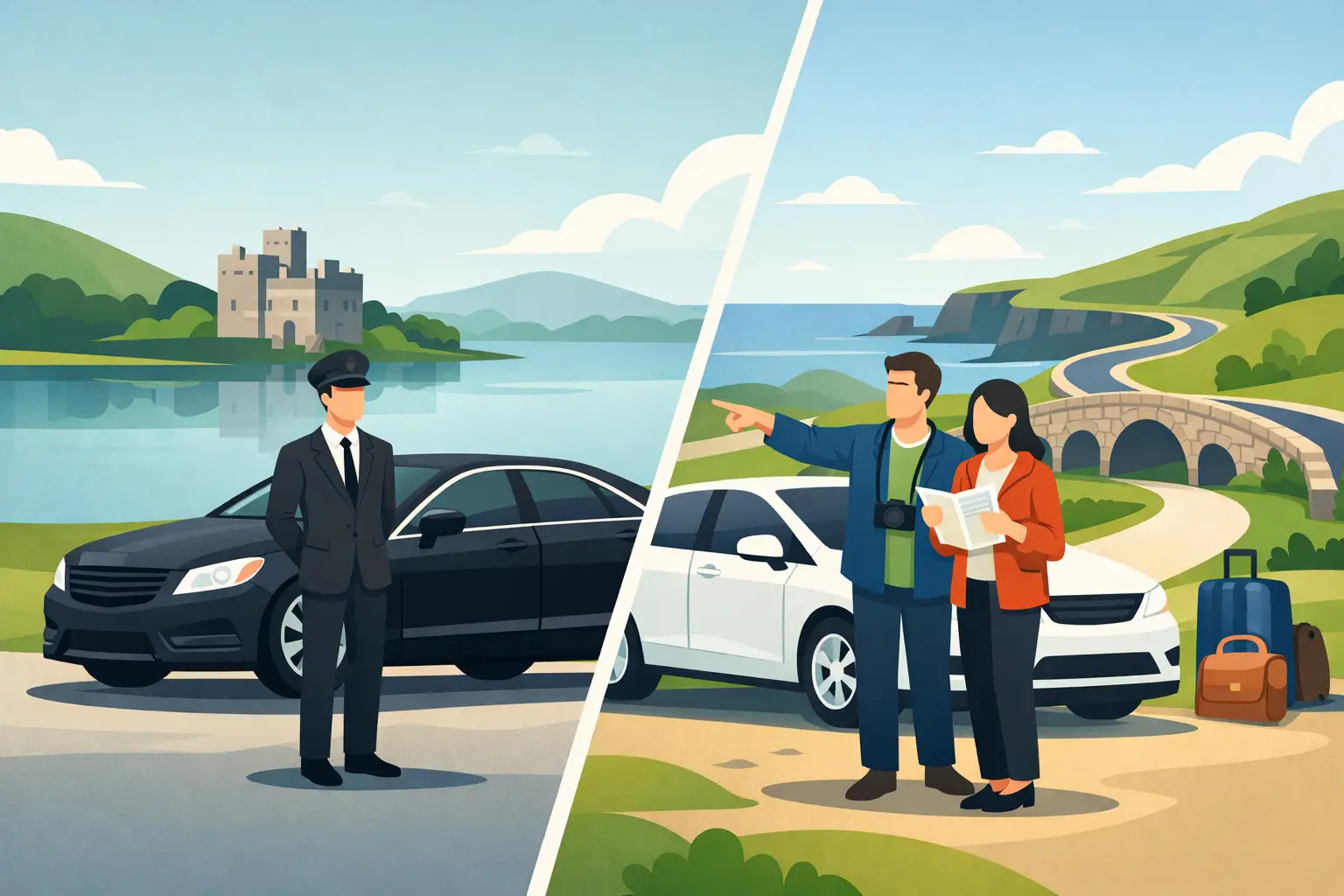
A private tour is not simply a more comfortable way to travel. It changes what is possible. You are not joining a group with a predetermined timetable or navigating unfamiliar rural roads from the driver’s seat. Your driver-guide manages the route, luggage, parking, and changing weather, while you enjoy the scenery, stories, and company around you.
That flexibility matters on the west coast. A clear morning may be the right moment for the Cliffs of Moher, while a passing shower might make a long lunch in a village pub or a visit to a local craft workshop the better choice. Your guide knows which roads are scenic, which stops are worth the time, and when a celebrated attraction is likely to be busiest.
For couples, this can mean a quieter pace and time for a special dinner overlooking the sea. For families and multigenerational groups, it means the day can accommodate different energy levels without anyone feeling left behind. You choose what you wish to see, and we will build the experience around that.
The Route Should Follow Your Interests
There is no single correct Wild Atlantic Way itinerary. The full coastal route is far too extensive to experience properly in a few days, so planning begins with an honest look at the time you have and the kind of Ireland you want to know.
A three- or four-night journey might focus on Galway, Connemara, and County Clare. This works particularly well for travelers who want a rewarding introduction to the Atlantic coast without changing hotels every night. You might explore the moonlike limestone landscape of the Burren, stand above the Atlantic at the Cliffs of Moher, and take the road through Connemara’s mountains, boglands, and lakes before settling into a welcoming town for the evening.
With eight nights or more, there is time to continue south to the Dingle Peninsula and the Ring of Kerry, or north through Donegal’s dramatic coastline. These regions have very different personalities. Dingle combines Gaelic culture, music, beaches, and spectacular drives. Kerry offers grand mountain-and-lake scenery, elegant country houses, and the colorful towns of the southwest. Donegal feels wilder and more remote, with wide beaches, high sea cliffs, and a strong sense of local tradition.
It depends on your priorities. Travelers drawn to history may want more time for early Christian sites, castles, and local heritage centers. Food lovers may wish to arrange the route around seafood, farm-to-table restaurants, whiskey tastings, and market towns. Those celebrating a honeymoon or anniversary may prefer fewer stops, beautiful hotels, and unhurried afternoons. A good itinerary does not try to fit every famous sight into one vacation. It makes room for the places that will mean the most to you.
Signature sights, with space for surprises
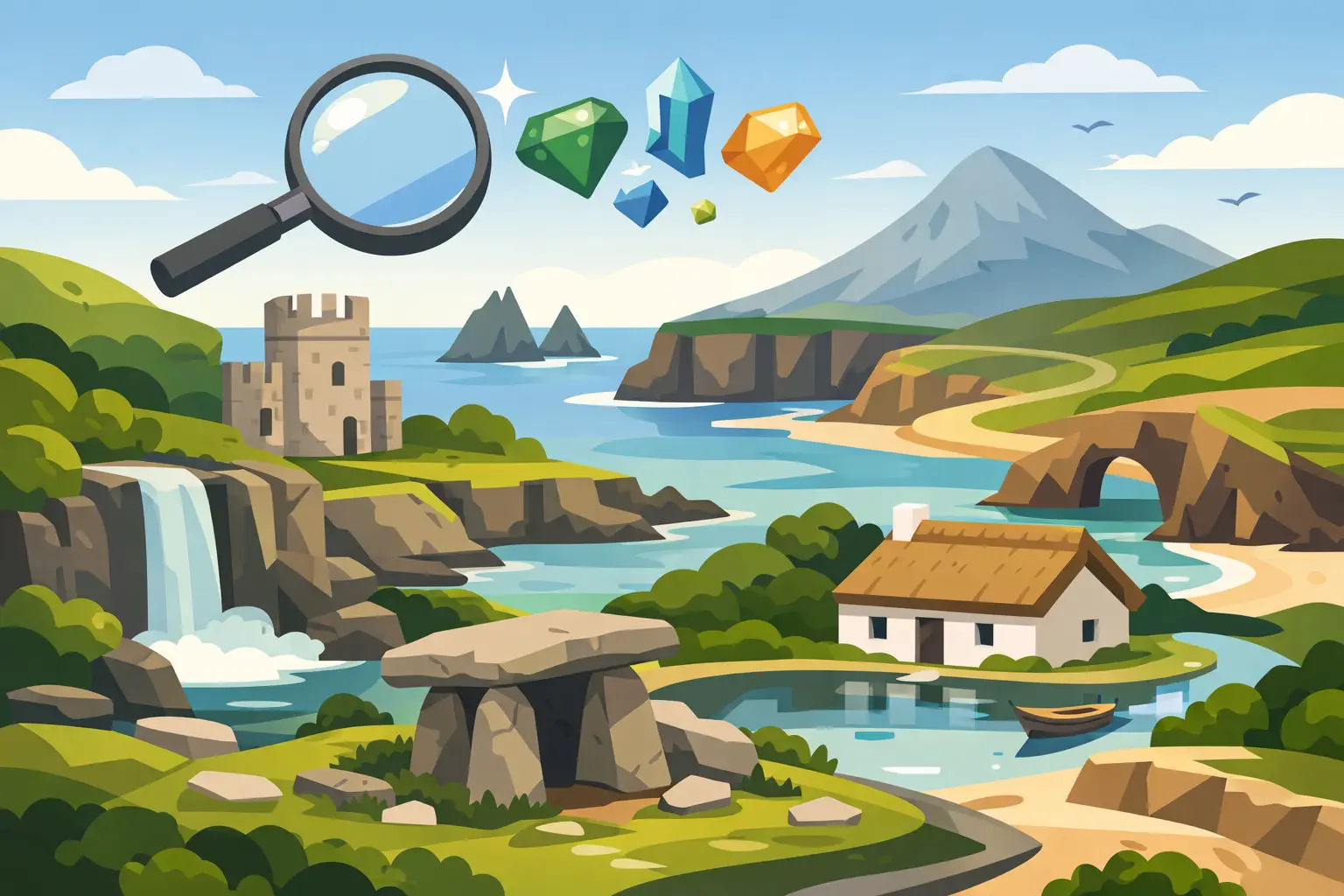
The Cliffs of Moher, Kylemore Abbey, Slea Head, and the Ring of Kerry deserve their reputations. Yet some of the most memorable moments happen between the names on a map: a sheepdog working a hillside, a beach reached by a narrow lane, a small churchyard overlooking the sea, or a conversation with a local shopkeeper.
Your driver-guide can balance both. We can include the landmarks you have dreamed of seeing while leaving time for the unscripted discoveries that group tours often pass by. That may mean starting earlier to enjoy a popular site more quietly, taking a scenic detour, or stopping for photographs when the landscape asks you to stop.
What a Private Driver-Guide Adds to the Journey
The Atlantic coast is beautiful on its own, but context brings it closer. A knowledgeable local guide can explain why a village has two names, point out traces of famine-era history in the landscape, and share the stories behind ruined abbeys, fishing harbors, and old stone walls.
Just as valuable is the practical local knowledge. Ireland’s weather is changeable, rural roads can be narrow, and driving times often look shorter on a map than they feel in real life. Your guide helps shape sensible days, recommends the right restaurant for the mood of the evening, and makes adjustments when conditions call for a different plan.
This is especially reassuring for US visitors who are accustomed to driving on the right and may not want to take on winding roads, roundabouts, and parking in busy town centers. Rather than concentrating on directions, you can sit back and see Ireland together. The car becomes a comfortable place to discuss what you have seen, hear another story, or simply watch the coastline unfold.
How to Plan the Right Pace
The finest private vacations are designed with enough ambition to feel special and enough restraint to feel like a holiday. On the Wild Atlantic Way, that usually means choosing fewer overnight bases and avoiding days built around long drives alone.
A well-paced day might include one major visit, one scenic drive, a relaxed lunch, and time to wander a town or coastal village. If you are keen walkers, a guided hike or a longer stop on a peninsula may be the centerpiece of the day. If comfort and cuisine are your focus, the route may include a late start, a leisurely tasting, and an early arrival at a memorable hotel.
Weather should remain part of the plan without controlling it. Atlantic light and cloud can make a familiar view extraordinary, but rain is also part of Ireland’s landscape. Packing waterproof layers and sturdy shoes is sensible. More importantly, traveling with a guide means you have options when the weather shifts. A museum, distillery, castle, or fireside lunch can be a wonderful alternative, not a compromise.
Choosing Accommodations Along the Coast
Where you stay shapes the feel of your trip. A grand country house hotel can offer fireplaces, fine dining, and a restful base after a full day outdoors. A small coastal inn may provide closer access to a harbor town, traditional music, and a more informal local atmosphere. Both can be right, depending on the experience you want.
We can recommend accommodations that suit your preferred style, budget, and route, from polished five-star properties to characterful boutique stays. Booking early is wise for summer travel, major holiday periods, and rooms with the best sea or mountain views. The most desirable places along the coast are often intimate rather than large, so availability can shape the route as much as any landmark.
Glenbeg Tours begins with your interests, whether you arrive with a detailed wish list or simply know that you want to see Ireland’s west coast in comfort. From there, each overnight stop, driving day, and local experience can be arranged around your time and priorities.
A Coastline Best Seen Personally
The Wild Atlantic Way rewards travelers who leave room for it to surprise them. You may remember the great cliffs and famous peninsulas for years, but you may remember just as clearly the morning mist lifting from a lake, the sound of music through a pub door, or the guide who knew exactly where to turn for the best view.
Give this coast time, travel at your own pace, and let your itinerary make room for the Ireland you did not know to expect.