Northern Ireland Travel for a Private, Unhurried Trip
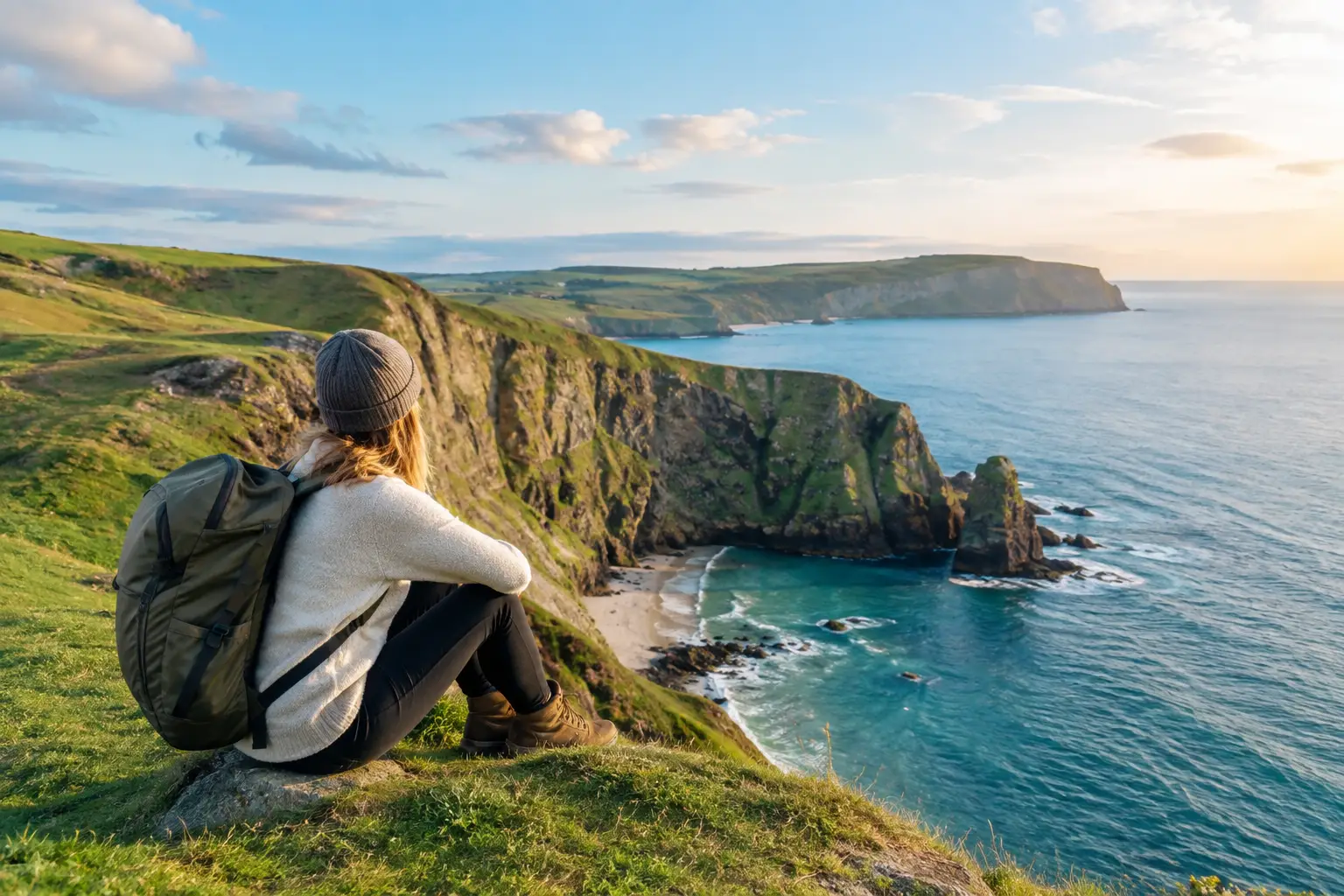
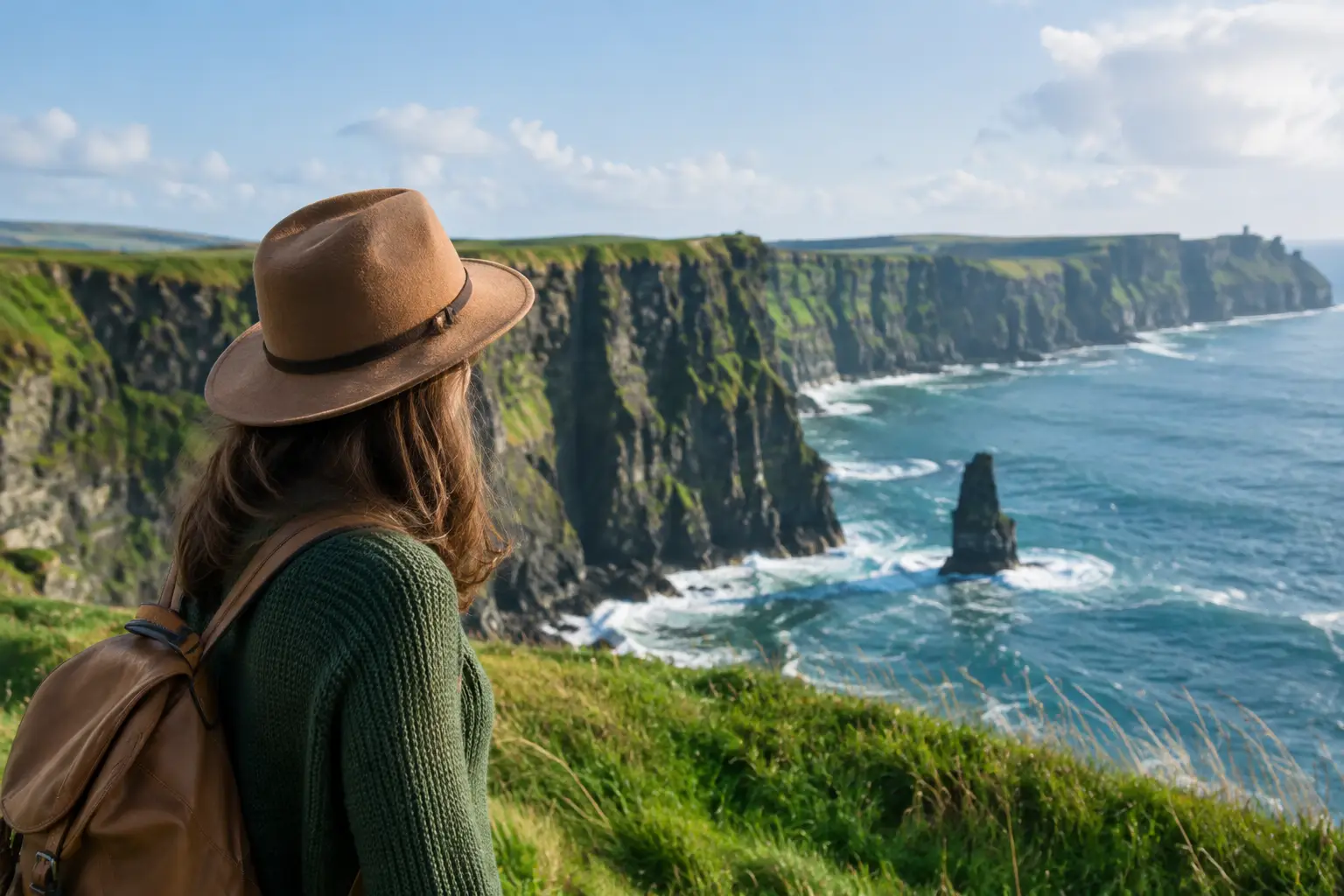
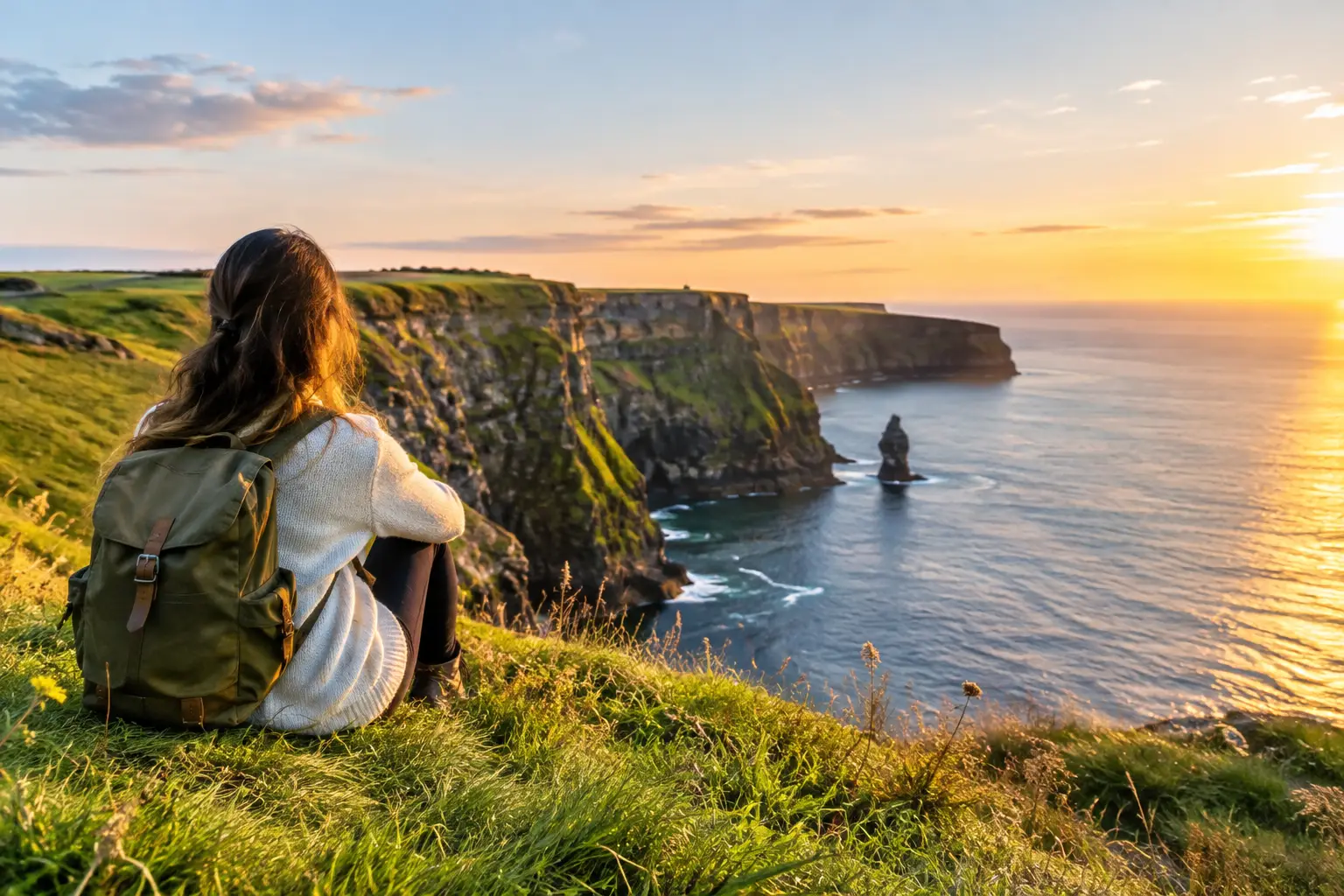
The best Northern Ireland travel does not feel like a race from Belfast to the Giant’s Causeway and back again. It feels like standing above the Atlantic at Dunluce Castle while the wind moves through the ruins, lingering over lunch in a small coastal village, and having time to hear why a quiet street, a painted wall, or an old family estate matters. This is a compact part of the island, but it rewards travelers who leave room for the unexpected.
For American visitors, Northern Ireland is an especially appealing addition to a wider Ireland journey. The landscapes are dramatic, the history is layered, and the distance between major sights is manageable when the route is planned well. A private driver-guide adds something more valuable than convenience: local context, flexibility when weather changes, and the freedom to enjoy the day rather than watch the road.
How to Shape Northern Ireland Travel Around Your Pace
Northern Ireland works beautifully as a three- to five-night stay, though it can also be included in a longer Irish vacation. The right length depends less on how many landmarks you hope to check off and more on the kind of days you enjoy. A couple looking for fine hotels, coastal walks, and excellent dining may prefer a slower four-night route. A multigenerational family may wish to balance short scenic drives with hands-on experiences and time to rest between outings.
Belfast is usually the natural starting point. It is a lively, walkable city with a strong sense of place, from its grand Victorian architecture to its revitalized waterfront. The Titanic Belfast experience is often a priority for first-time visitors, and it deserves time rather than a hurried stop. The story is not simply about a ship. It is also about the shipyard workforce, the city’s industrial ambition, and the people whose lives were changed by the disaster.
A guided city tour can provide thoughtful perspective on Belfast’s more recent history. The political murals and Peace Walls are meaningful sites, but they should be approached with care and curiosity rather than treated as photo opportunities. A knowledgeable local guide can explain the history of the Troubles, the progress made since the Good Friday Agreement, and the way communities continue to shape the city today. Travelers often find these conversations among the most moving parts of their visit.
From Belfast, the route naturally turns north toward the Causeway Coast. On a map, the distances may look short. In reality, this is a coastline made for stopping: a viewpoint over a hidden beach, a castle perched above the sea, a village pub with a fire going on a wet afternoon. Trying to cover it all in a single day can leave little room for the atmosphere that makes the region memorable.
The Causeway Coast Deserves More Than a Day Trip
The Giant’s Causeway is Northern Ireland’s signature natural landmark, and the basalt columns are genuinely extraordinary. Formed by volcanic activity millions of years ago, the stones seem almost designed by hand. Irish legend offers a more colorful explanation, crediting the giant Finn McCool with building a route to Scotland. Both stories belong here, and the best visit gives you time to appreciate the science and the folklore.
Early morning or later afternoon can be especially pleasant, when the busiest periods have eased and the changing light brings definition to the rock formations. Conditions along the coast can shift quickly, even in summer. Good footwear and a warm layer are sensible, while a private vehicle means you can adapt the day if rain or high winds arrive.
Nearby Dunluce Castle is one of Ireland’s most dramatic ruins. Its clifftop position is spectacular, but it is also a place of real history, shaped by powerful families, sieges, and stormy seas. Farther along, the small town of Bushmills offers a convenient base for those interested in local whiskey traditions, while the beaches near Portrush and Portstewart bring a calmer, more open side of the coast.
The Carrick-a-Rede Rope Bridge is a popular stop, particularly for travelers who enjoy a little adventure. It is not essential for everyone. The crossing can feel exposed, timed entry may apply, and the walk is not ideal for guests with limited mobility. There is no need to force it into the day simply because it is well known. The nearby coastal scenery is rewarding whether or not you step onto the bridge.
The same principle applies to the Dark Hedges. This atmospheric avenue of beech trees is often requested by television fans, but it is a brief stop and can be busy. It works well when it fits naturally into the route, rather than displacing a longer visit to a place that better matches your interests.
Choose a Base That Fits Your Evenings
Where you stay changes the character of a Northern Ireland trip. Belfast suits travelers who enjoy city dining, museums, and the ease of returning to one hotel after day touring. The Causeway Coast is ideal for guests who want to wake to sea views and spend more time outdoors. A country estate or manor-style hotel can offer an even quieter experience, with gardens, fireplaces, and gracious dining close at hand.
For a private vacation, we often recommend avoiding too many hotel changes. A well-chosen base can make daily touring feel relaxed, particularly for families and groups traveling together. Instead of packing every morning, you can return to a familiar room, enjoy an unhurried dinner, and begin the next day rested.
Beyond the Famous Sights
Northern Ireland’s interior is where many visitors find the calmest moments of their journey. The Glens of Antrim are a series of green valleys running down to the coast, with winding roads, small villages, waterfalls, and views that appear suddenly between hills. This is not a region to rush. A guide who knows the local roads can make the drive part of the experience instead of a navigation exercise.
The walled city of Derry, also known as Londonderry, is another deeply worthwhile addition, especially for travelers interested in history and culture. Its remarkably complete 17th-century walls offer an elevated walk around the old city, while its museums, galleries, and neighborhood stories reveal a place that is both historically significant and creatively alive. The city’s two names reflect identity and history; listening to local usage with respect is the best approach.
For those with Irish ancestry, Northern Ireland can also bring a family story into sharper focus. County Antrim, County Down, and County Londonderry hold churchyards, townlands, records, and landscapes tied to generations of emigration. Research should begin well before arrival, since exact locations and records are not always straightforward. Yet even without a confirmed ancestral home, visiting the region can add meaningful texture to a family’s Irish journey.
Practical Details for a Comfortable Visit
Northern Ireland is part of the United Kingdom, while the Republic of Ireland is a separate country. There is no hard border on the island for ordinary road travel, so a private itinerary can move naturally between the two. Still, travelers should carry their passport, confirm entry requirements before departure, and remember that Northern Ireland uses pounds sterling rather than euros.
Driving is on the left, road signs use miles, and rural roads can be narrow, winding, and unfamiliar to overseas visitors. Self-driving can be a fine choice for confident travelers who enjoy independence, but it brings trade-offs: parking in Belfast, insurance decisions, navigation, and the need to limit alcohol with dinner. With your very own private driver-guide, everyone can enjoy the scenery and the conversation while we handle the route.
Weather should be treated as part of the experience, not a reason to postpone it. Spring brings fresh green landscapes and longer days, summer offers the best chance of milder conditions, and early fall often provides beautiful light with fewer visitors. Rain can arrive at any time, so a flexible itinerary is far more useful than a rigid schedule. A coastal walk may become a relaxed castle visit, or a clear patch in the afternoon may be the perfect moment for a scenic detour.
Northern Ireland is generous with its stories, but it reveals them best when you have time to listen. Whether your wish is a private coastal escape, a thoughtful exploration of Belfast, or a longer journey across the whole island, Glenbeg Tours can build the itinerary around your interests, your comfort, and the moments you do not want to miss.
Explore Our Private Ireland Tours
Discover Ireland your way with our private multi-day tours, from the spectacular Wild Atlantic Way to the historic north and beautiful south, all tailored to deliver an unforgettable Irish experience.
-
3-Night Southern Ireland Tour – Enjoy a short private escape exploring Southern Ireland’s beautiful countryside, historic towns and spectacular scenery.
-
4-Night Northern Ireland Tour – Discover Northern Ireland’s highlights, from Belfast and the Giant’s Causeway to historic Derry and the dramatic northwest.
-
8-Night Southern Ireland Tour – Enjoy a more extensive exploration of Southern Ireland’s spectacular coastline, historic towns and beautiful countryside.
-
8-Night Northern Ireland Tour – Discover Belfast, the Giant’s Causeway, historic Derry, Donegal and the dramatic landscapes of Ireland’s northwest.
-
Wild Atlantic Way Tour – Experience Ireland’s magnificent west coast, with rugged cliffs, charming coastal villages, breathtaking scenery and authentic Irish culture.
-
14-Night Private Ireland Tour – Experience a more comprehensive journey through Ireland, combining celebrated landmarks, coastal scenery and the freedom to explore at your own pace.