Irish Ancestry Travel Guide for a Meaningful Trip
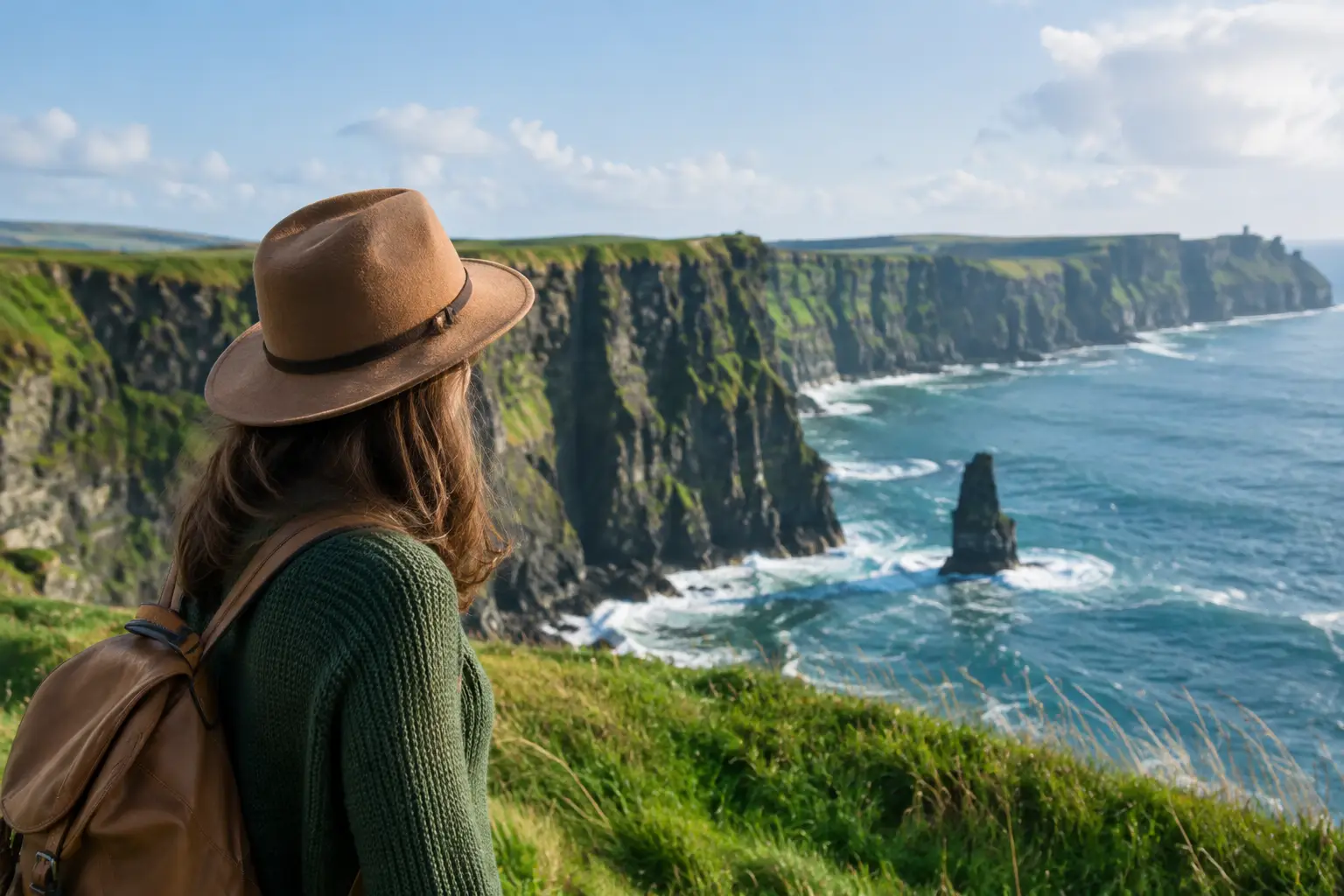
The most moving moment in an ancestry trip is rarely the document itself. It may be standing outside a stone cottage in County Clare, hearing a family name pronounced as locals say it, or looking across the harbor from which an ancestor left Ireland generations ago. This Irish ancestry travel guide will help you shape those moments into a well-planned, deeply personal journey.
Research can identify a townland, parish, or county, but travel gives that information scale, landscape, and human context. Ireland’s family history is not held in one place. It lives in church registers and graveyards, in local stories, in the bends of narrow roads, and in the geography that shaped why families stayed, moved, farmed, worshipped, or emigrated.
Begin With the Most Useful Family Details
Before selecting hotels or mapping a route, gather the information that can make a heritage visit more specific. Names matter, but Irish records can be complicated by common surnames, changing spellings, and relatives who used English and Irish versions of the same name. Dates of birth, marriage, and emigration can help distinguish one Patrick Kelly or Mary Sullivan from another.
The most useful clues are often a parish, townland, civil registration district, occupation, or the names of parents and siblings. A townland is particularly valuable. These small geographic areas are central to rural Irish identity and can be far more precise than a county. If a passenger list simply says “Ireland,” your family history research may need more time before you travel. If it identifies a parish or townland, you may be ready to build a focused visit around it.
Bring copies of key records, rather than relying only on a phone screen. A printed family tree, old photographs, passenger records, military papers, letters, and death notices can be useful when speaking with a local historian or parish contact. They also make it easier to notice connections during the journey.
Set expectations around missing records
Not every family line can be traced to an exact house or farm. Record survival varies widely, and some early census records were lost. Parish registers may begin later than you expect, while names and boundaries may have changed over time.
That does not make the trip less worthwhile. A visit can still reveal the landscape, religious traditions, working life, and local history your ancestors knew. In many cases, understanding the place is more meaningful than trying to force a certainty the records cannot support.
Plan an Irish Ancestry Travel Guide Around Place, Not Pins
A heritage journey works best when it is organized into regions rather than a long list of addresses. It is tempting to fit Dublin, Galway, Kerry, Cork, Belfast, and several ancestral villages into one week. Yet Ireland’s roads, weather, and rural geography reward a more considered pace.
If your research points to County Mayo, for example, allow time for the county rather than treating it as a quick stop between larger cities. You may want to visit the parish church, a cemetery, a local heritage center, a nearby estate or museum, and the village where family members would have shopped or attended fairs. The spaces between these places are part of the story.
For travelers with roots in several counties, prioritize the strongest connection first. One ancestral region explored well is usually more satisfying than four visited briefly. A private driver-guide can make this especially comfortable, as your days can be adjusted for opening times, weather, conversations with local contacts, and the natural discoveries that do not appear on a map.
Pair research stops with the Ireland you came to experience
Family history should enrich a vacation, not turn every day into an appointment. Balance archives and graveyards with excellent meals, stately homes, gardens, coastal drives, traditional music, and time to enjoy your hotel. A morning in a records office may sit beautifully alongside an afternoon in Connemara or a relaxed evening in Kinsale.
This balance matters for families traveling together. One guest may be fascinated by parish registers, while another is eager for a castle visit, golf, or a walk along the coast. A thoughtfully planned private itinerary gives each person a reason to look forward to the day.
Know What You Can Visit and What Requires Preparation
Cemeteries, churches, and village streets are often accessible, but access is not always straightforward. Rural churches may only open for services, local heritage centers can have seasonal hours, and a family burial plot may be on private land. Never assume that an old family home is open to visitors simply because you have identified it in a record.
Advance preparation can make a considerable difference. Contacting a parish office, historical society, local genealogist, or heritage center may help confirm records or arrange an appropriate visit. Be patient with replies. Many of these organizations are run by small teams or volunteers, and a request handled with courtesy will be warmly received.
It is also wise to leave room for uncertainty. The road to a particular church may be narrow, the weather may change quickly, or a local contact may only be available at a different time. These are good reasons to avoid tightly packed daily schedules.
Let Local Context Add Meaning to the Names
Names on a family tree become more vivid when placed in the history of their area. If ancestors left during the 1840s, learning about the Great Famine in that particular county can add context beyond the broad national story. If they came from Ulster, their religious community, trade, and migration route may have shaped a very different experience from that of a family in west Cork or rural Kerry.
Ask about the local economy and patterns of emigration. Were families tenant farmers, fishermen, linen workers, or shopkeepers? Did relatives leave for Boston, New York, Philadelphia, Canada, Australia, or elsewhere? A knowledgeable guide can help connect your research with the people, landscapes, and historical events that influenced those choices.
Stories should still be treated carefully. Local tradition is valuable, but it is not always proof. The best approach is to enjoy family lore while separating confirmed facts from possibilities. That distinction protects the integrity of your research and leaves space for the genuine surprises that often arise along the way.
Choose the Right Pace for Your Party
Ancestry travel can be emotionally full. Give yourselves time to absorb a graveside visit, an unexpected conversation, or the first sight of a townland name on a road sign. Travelers sometimes plan every hour because they want to make the most of a once-in-a-lifetime trip. In practice, leaving a little space often creates the strongest memories.
For couples, a route with two or three-night stays can feel relaxed and romantic while allowing meaningful time in each region. Multigenerational families may prefer a few comfortable hotel bases, shorter driving days, and experiences that suit different mobility levels and interests. If an older family member is traveling, private transportation also removes the stress of navigating unfamiliar roads and managing luggage between frequent hotel changes.
At Glenbeg Tours, we can help you build an itinerary around your wishes, whether you have a confirmed ancestral village, a broad county connection, or a carefully researched plan that needs local insight. Your very own private driver-guide can bring the practical ease of a guided vacation while allowing the journey to move at your pace.
Make Room for the Unexpected Connection
The most meaningful ancestry experiences are often quiet ones: a caretaker who recognizes a surname, a pub owner who points out an old schoolhouse, or a view across a field that suddenly makes a family story feel real. These moments cannot be scheduled, but they are more likely when you travel slowly enough to notice them.
Bring your questions, your records, and your curiosity. Then let Ireland give your family story a setting, a voice, and perhaps a few new chapters of its own.