Plan Your Irish Genealogy Journey in Ireland
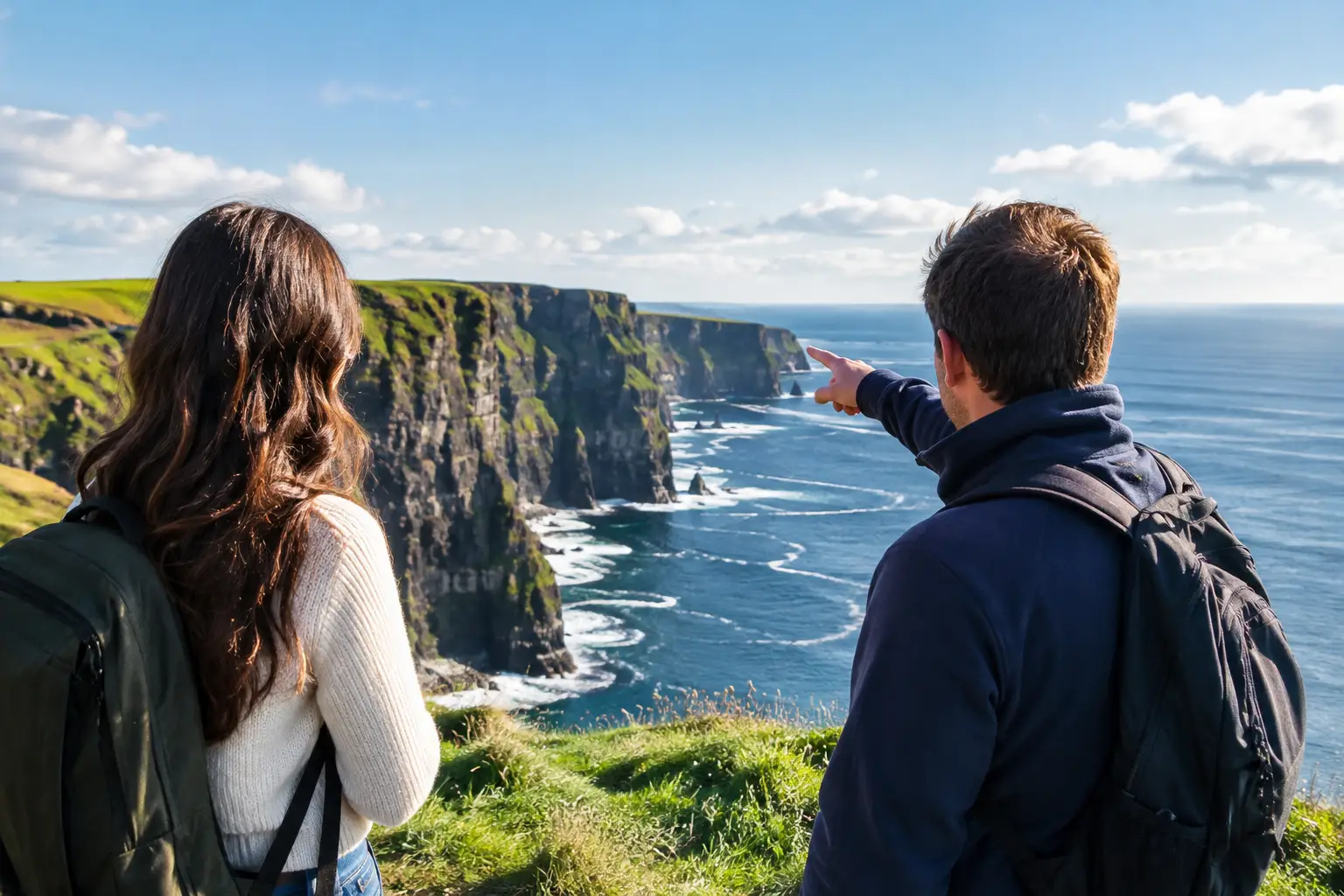
A name on a census page can lead to a townland, a parish, a family grave, and a view your ancestors may have known by heart. That is what makes an Irish genealogy journey so different from an ordinary sightseeing vacation. The most meaningful moments are often quiet ones: standing outside a cottage site, hearing a local pronunciation of a family name, or finding the church where generations were baptized.
Ireland is wonderfully compact, but ancestral research does not always follow a neat route. A family may have left from Cork, appear in records from Mayo, and have relatives buried in Donegal. With thoughtful planning and your very own private driver-guide, you can balance the personal purpose of the trip with the landscapes, history, villages, and hospitality that make a return to Ireland feel complete.
Begin your Irish genealogy journey before you travel
The strongest ancestry trips begin with realistic preparation. You do not need a complete family tree, and few travelers arrive with one. Even a handful of details can give your itinerary direction: a full name, an approximate birth year, a county mentioned in family stories, a denomination, or the US city where an immigrant first settled.
Try to identify the most specific Irish place connected to your family. A county is a useful starting point, but a parish, town, townland, or village is far more valuable. Townlands are small historic land divisions, and many Irish families identified more closely with a townland than with the county itself. Two people with the same surname may have lived only a few miles apart while belonging to entirely different family branches.
Bring copies of what you have, whether that is a handwritten family chart, old letters, military papers, obituaries, cemetery photographs, or DNA matches. A private guide cannot turn incomplete records into certainty, but local context can help you ask better questions and recognize promising connections along the way.
Know where the records may lead
Irish genealogy requires patience because the surviving paper trail varies by place, faith tradition, and period. Civil records, church registers, census substitutes, land records, newspapers, graveyards, local history collections, and oral knowledge can each add a piece to the picture.
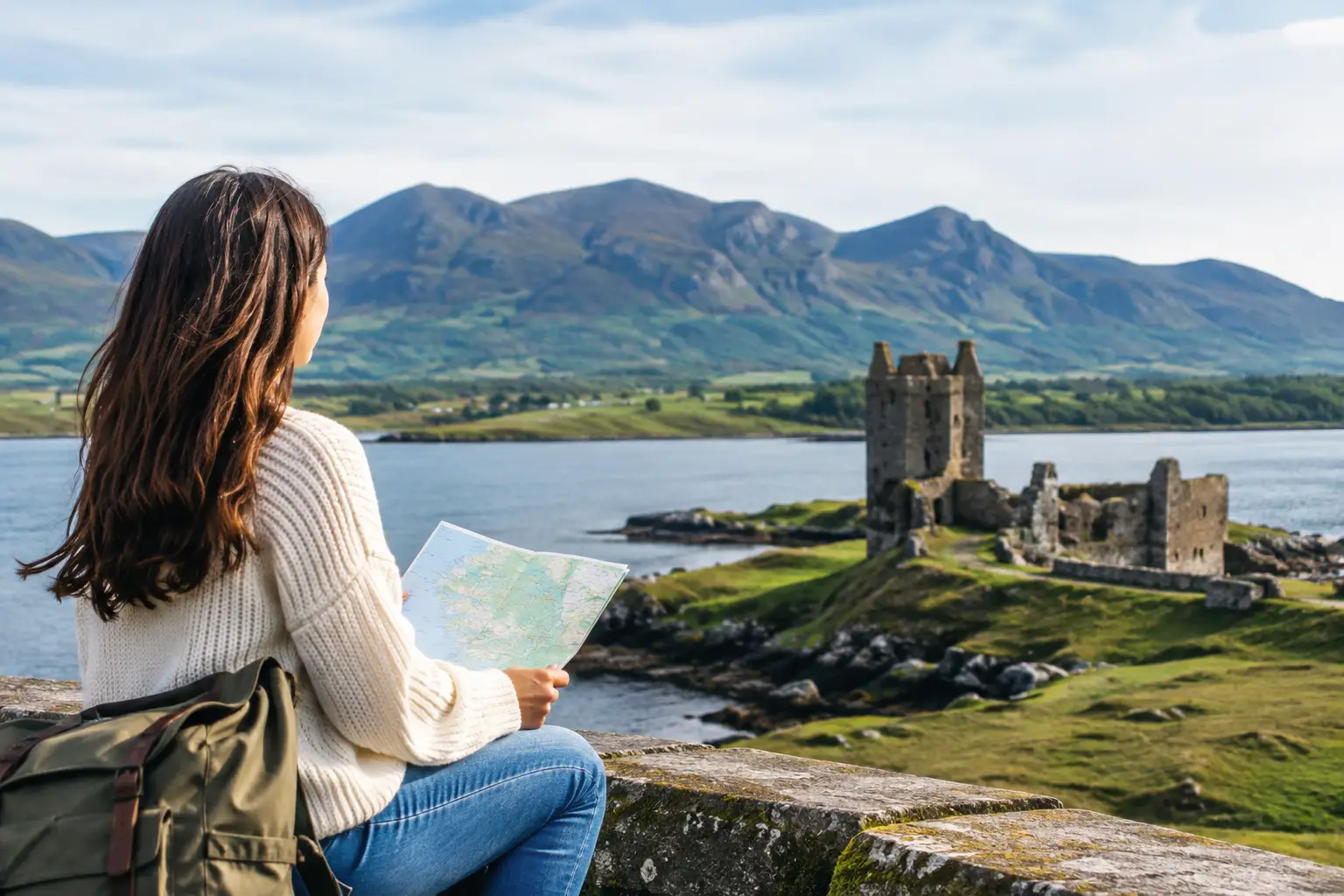
It also helps to manage expectations around addresses. The original family home may no longer stand, or it may be a private residence where visitors should not call unannounced. Sometimes the meaningful discovery is not a doorway but a landscape: the road to the parish church, the harbor where people departed, or the hillside community that shaped your family’s story.
Build an itinerary around places, not pinpoints
An ancestry-focused vacation should not attempt to visit every possible lead. The better approach is to choose two or three regions with the strongest evidence, then allow time to experience them properly. A rushed stop at six counties can leave you with photographs but little sense of connection.
Your travel dates and trip length will influence what is practical. On a shorter private Ireland tour, one ancestral region can be combined beautifully with Dublin, Wicklow, Galway, or the southwest. With eight, ten, or fourteen nights, there is more room to follow family roots while enjoying distinct parts of the country, from Connemara and the Wild Atlantic Way to the ancient east and Northern Ireland.
A well-planned route also accounts for the reality of rural Ireland. A townland may be down a narrow country lane, and the most relevant graveyard or heritage center may have limited opening hours. This is where a driver-guide adds real value. Rather than spending your vacation navigating unfamiliar roads, parking in small towns, and recalculating every detour, you can stay present for the experience.
Leave room for the unplanned discovery
Genealogy travel benefits from structure, but not rigidity. Perhaps a church caretaker is available to open a building that is usually closed, a local historian suggests another cemetery, or a conversation in a pub reveals that a familiar surname is still part of the area. These are not guarantees, but they are the kinds of moments that need a little breathing room.
Your itinerary should also include days that are simply enjoyable. Visit a lively market town, take a coastal walk, enjoy a long lunch, hear traditional music, or stop at a viewpoint because the light is right. Family history has greater emotional weight when it is woven into a holiday you can savor together.
Why a private driver-guide suits ancestry travel
For couples, families, and multigenerational groups, genealogy can mean different things to each traveler. One person may be eager to study a headstone inscription while another wants to see the countryside, enjoy local food, and hear the history behind the region. A private tour makes room for both.
Your driver-guide can adjust the rhythm of the day, explain the local geography, and place personal discoveries in a wider Irish story. They may help distinguish between a town and a townland, explain why parish boundaries matter, or share the history of emigration that turned a family departure into part of a much larger national experience.
There is also a practical benefit. When you are traveling with parents, adult children, or relatives who have different mobility and energy levels, private transportation gives everyone more comfort and flexibility. You choose what you wish to see, how long you wish to stay, and when it is time to pause for coffee or return to your hotel.
Make every family member part of the story
An ancestral trip often becomes a once-in-a-generation gathering. Consider inviting each traveler to contribute something before departure: a copied photograph, a remembered story, a question for the family, or a person they hope to honor. These small contributions can make a visit to a graveyard or parish feel shared rather than solitary.
For younger relatives, place names and dates come alive when attached to real experiences. They may remember driving through the landscape their great-great-grandparents left, trying regional dishes, or hearing why a community developed around a harbor, a railway, or a farming valley. The journey can become an inheritance in its own right.
If you are traveling to commemorate a loved one, allow space for that purpose without making every day solemn. Ireland is a country of deep memory, but it is also full of wit, music, warmth, and welcome. A good itinerary honors both.
Questions to settle with your tour planner
Before confirming a route, share the research you have and be clear about what would make the trip meaningful. Is your priority seeing a family parish, locating a burial place, visiting the county of origin, or simply understanding the world your ancestors came from? Those goals can lead to very different itineraries.
It is also helpful to discuss the level of certainty in your information. A confirmed townland calls for a focused visit. A possible county connection may be better treated as one thoughtful stop within a broader vacation. Honest planning prevents a speculative lead from taking too much time away from places that are certain to matter.
At Glenbeg Tours, we can help shape a private Irish vacation around your wishes, from the pace of each day to the regions that deserve more time. The result need not be a research expedition from morning to night. It can be a gracious, personal journey through Ireland with room for family history and everything else you came to enjoy.
Your ancestors’ Ireland may not reveal itself in one dramatic answer. More often, it appears in a sequence of small recognitions: a surname on a memorial, a familiar curve of coastline, a story shared by someone local. Give those moments the time they deserve, and the journey can stay with your family long after you have returned home.