How to Avoid Ireland Itinerary Mistakes on Your Trip
A memorable Ireland vacation is rarely spoiled by choosing the wrong famous sight. More often, it is undermined by a plan that looks sensible on a map but leaves too little time to enjoy the country itself. To avoid Ireland itinerary mistakes, think beyond a checklist of castles, cliffs, and cities. The best journeys allow for winding roads, an unplanned stop at a village pub, a conversation with a local, and the simple pleasure of arriving at your hotel with time to settle in.
Ireland is compact in size, but its travel times can be deceptive. A private driver-guide can make the road journey part of the experience, sharing local context and stopping when something catches your eye. Even so, no one can make a four-hour drive feel like a quick hop. Thoughtful routing is what protects the relaxed, personal feel of a luxury Irish holiday.
Avoid Ireland Itinerary Mistakes by Planning for the Road
The most common error is measuring Ireland by mileage alone. A route may appear to cover only 100 miles, yet take much of the day once you account for narrow country roads, coastal bends, village traffic, scenic stops, lunch, and time at the places you came to see.
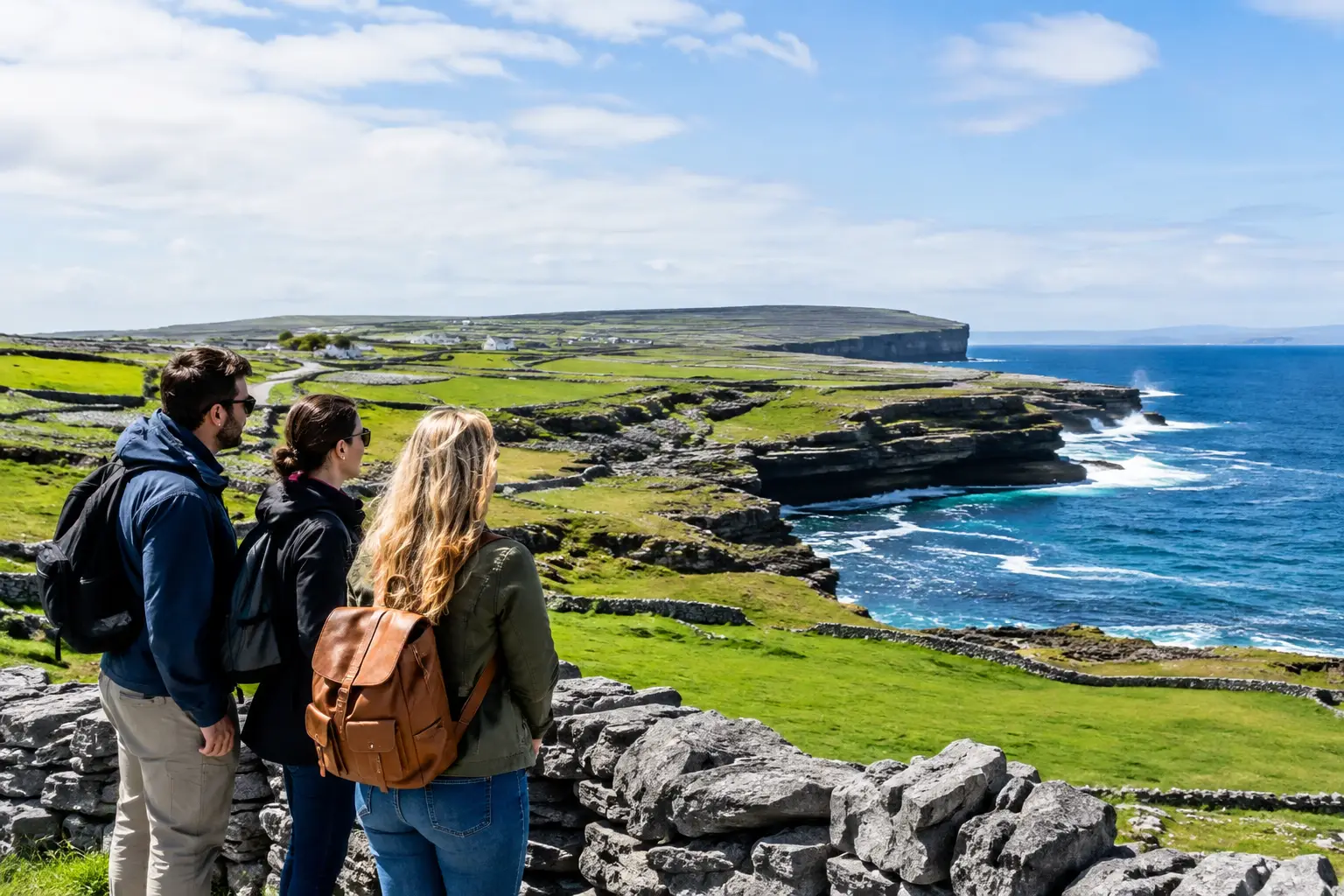
This matters particularly on routes through Connemara, the Ring of Kerry, the Dingle Peninsula, Donegal, and parts of the Wild Atlantic Way. These are some of Ireland’s most rewarding landscapes precisely because the roads invite a slower pace. Trying to rush through them turns a beautiful touring day into a sequence of hurried photographs.
A good rule is to choose one principal experience for the morning and one for the afternoon, then leave room for the moments in between. For example, a day from Galway toward Connemara might include a leisurely drive through the mountains, a meaningful stop at Kylemore Abbey or a local garden, lunch in a village, and time along the coast. It does not need five additional headline attractions to feel full.
Treat arrival and departure days differently
International flights and jet lag deserve more consideration than many itineraries give them. Landing in Dublin early in the morning can make it tempting to start a long cross-country journey immediately. Some travelers enjoy that momentum; others would rather have a gentle first day with a comfortable hotel, a relaxed walk, and an early dinner.
Likewise, avoid scheduling a major touring day before an early morning flight home. Ireland’s airports are straightforward, but a final overnight near your departure airport can remove unnecessary pressure. A well-designed itinerary works with your energy, not just your calendar.
Do Not Try to See Every Region in One Visit
Ireland rewards return visits. A ten-day vacation can offer a wonderful blend of Dublin, the southwest, and the west, but it cannot do justice to every corner of the island without becoming overly busy. Adding Northern Ireland, Donegal, Cork, Kerry, Galway, and Dublin into one short trip may sound comprehensive, but it often means changing hotels too often and spending precious hours in transit.
The right balance depends on your interests. Travelers drawn to literary history, museums, and excellent restaurants may want more time in Dublin. Those who picture dramatic coastal scenery and small-town evenings may prefer a route centered on Kerry, Clare, Galway, and Connemara. Families might prioritize manageable drive times, outdoor activities, and hotels with room to unwind. A multigenerational group may value two- or three-night stays that let everyone travel at a comfortable pace.
Rather than asking, “What can we fit in?” ask, “What would we be disappointed to miss?” That answer gives your route a purpose. A private vacation should feel tailored to your wishes, not like an attempt to complete an island-wide survey.
Limit one-night hotel stays
One-night stays have their place, especially when they prevent an exhausting backtrack or allow you to experience a special location. But a string of them creates a surprisingly demanding rhythm: packing, checking out, loading luggage, checking in, and getting familiar with a new town every evening.
For many guests, two or three nights in key locations make the holiday feel more luxurious. You can enjoy a leisurely breakfast, take a full day tour without moving bags, return to a favorite restaurant, or simply have an hour to enjoy the view from your hotel. Fewer hotel changes also give your driver-guide greater flexibility to adapt the day around weather, local events, or your interests.
Build Around Interests, Not Only Famous Names
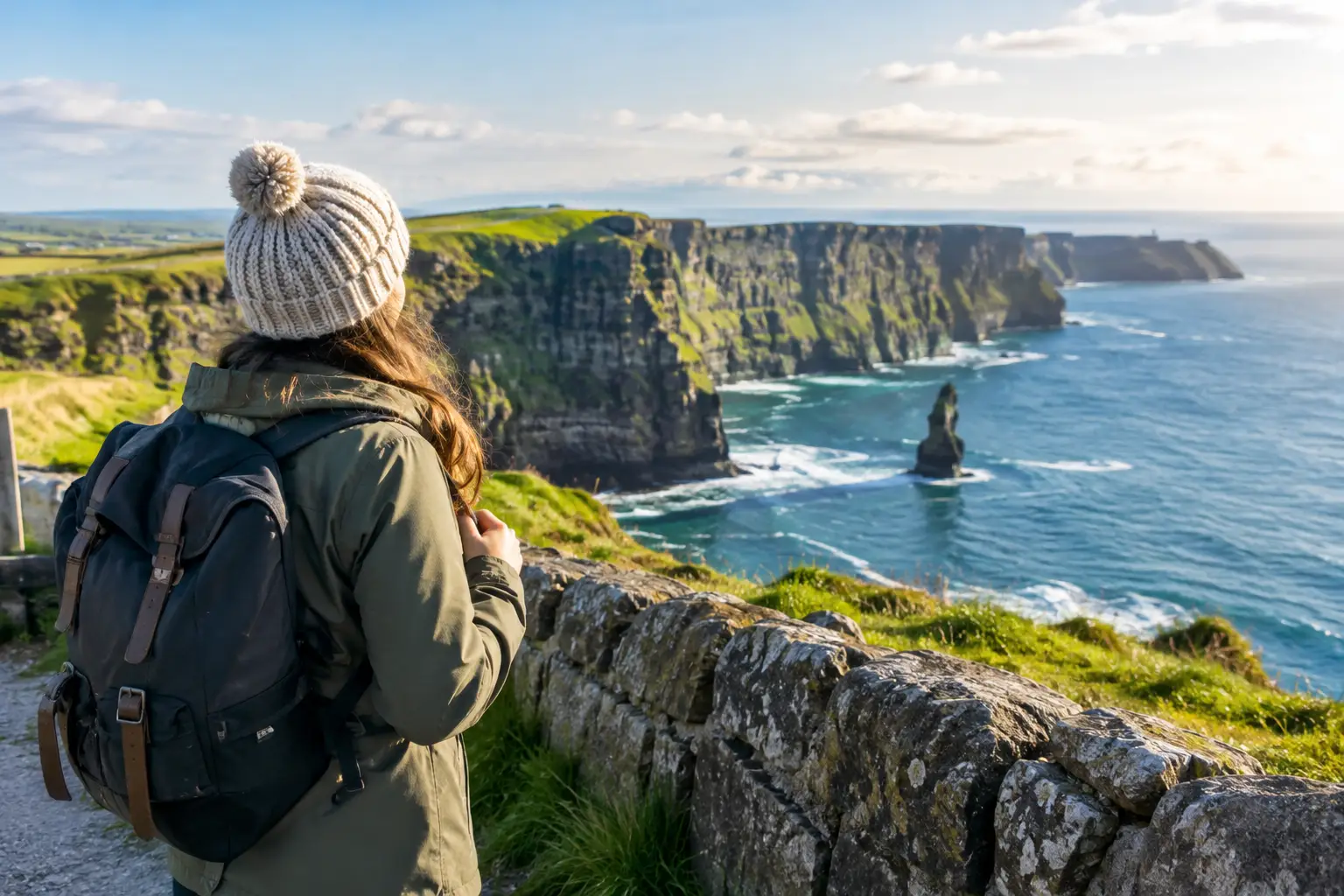
The Cliffs of Moher, the Giant’s Causeway, and Blarney Castle are popular for good reason. Yet an itinerary composed entirely of famous names can feel oddly impersonal. The places between the major landmarks often become the stories travelers remember most: a sheepdog demonstration, a quiet estate garden, a traditional music session, a craft studio, or a coastal lunch where the seafood arrived that morning.
Start with your priorities. You may be interested in family heritage, gardens, golf, Irish music, whiskey, food, archaeology, film locations, walking, or simply beautiful drives. Tell your tour planner what you enjoy at home as well as what you hope to see in Ireland. Someone who loves architecture may appreciate Georgian Dublin and grand country houses more than another castle. A keen gardener may prefer time in the west or south during the right season. A family with teenagers may want active experiences woven between historic sites.
This is where a customized route offers real value. At Glenbeg Tours, we can shape a journey around the experiences that matter to you while ensuring the route remains practical and enjoyable. The landmark sights can be included, but they should support your vacation rather than dictate every hour of it.
Leave Space for Weather and Local Rhythm
Irish weather is part of the landscape. A misty morning can make a mountain pass atmospheric; a sudden clear spell can transform a coastal viewpoint. The mistake is not encountering rain. It is building a schedule so rigid that there is no room to adjust when the weather suggests a better order for the day.
A private driver-guided holiday makes this easier. If a viewpoint is covered in cloud, it may make sense to visit a museum, a distillery, a historic house, or a local town first, then return to the coast later. If the day opens beautifully, you can take advantage of it. Flexibility is especially valuable on scenic touring days, when conditions can vary significantly across a region.
Local rhythm matters, too. Some attractions have seasonal hours, while restaurants in small towns may require advance reservations, particularly during popular travel months. Certain experiences are best enjoyed early before crowds arrive; others are more charming later in the day. An experienced local guide helps turn these details into a smooth day rather than a series of compromises.
Avoid Overbooking Your Evenings
After a full day on the road, even enthusiastic travelers can be ready for a quiet hour before dinner. Booking a formal meal, a music event, and an evening activity every night can make a vacation feel scheduled from breakfast until bedtime.
Choose a few evenings for special plans and leave the rest open. You may decide to linger over dinner, take a gentle walk through town, enjoy the hotel bar, or follow a recommendation from your guide. If traditional music is a priority, build it into the route rather than trying to chase it every night. The best session is often the one that suits where you are staying and how you feel that evening.
There is also a practical benefit: evening plans can be affected by a longer-than-expected touring day, weather, or the discovery of a place worth staying longer. A little open time protects the pleasure of choice.
Be Honest About Pace, Mobility, and Travel Style
A successful itinerary is personal in ways a standard route cannot be. If anyone in your party has limited mobility, difficulty with uneven ground, or a preference for shorter walks, say so from the beginning. Ireland has many beautiful experiences that do not require strenuous activity, but some historic sites, cliff paths, and village streets involve steps, slopes, or uneven surfaces.
The same applies to travel style. Some guests love an early start and full days. Others prefer a slower morning, a long lunch, and fewer stops. Neither approach is better. The problem comes when a fast-paced itinerary is created for travelers who want to linger, or when a leisurely trip is planned for a group eager to cover more ground.
Be equally clear about priorities within a group. Couples, families, and friends do not need to agree on every detail, but identifying two or three shared must-dos makes decisions easier. A good private itinerary creates room for individual interests without turning the holiday into a negotiation at every stop.
Let the Route Have Breathing Room
The finest Irish vacations tend to have an unhurried quality, even when they include a great deal. They make room for the drive through changing landscapes, the guide’s story behind an ancient ruin, and the detour that was never on the original plan. That breathing room is not wasted time. It is often where Ireland feels most real.
When you choose your priorities, allow sensible travel times, and keep a little space around each day, you give yourself the freedom to enjoy the journey as much as the destination. We will help you build an itinerary around your wishes, at your pace, so you can be present for the moments that cannot be scheduled.